

- Home

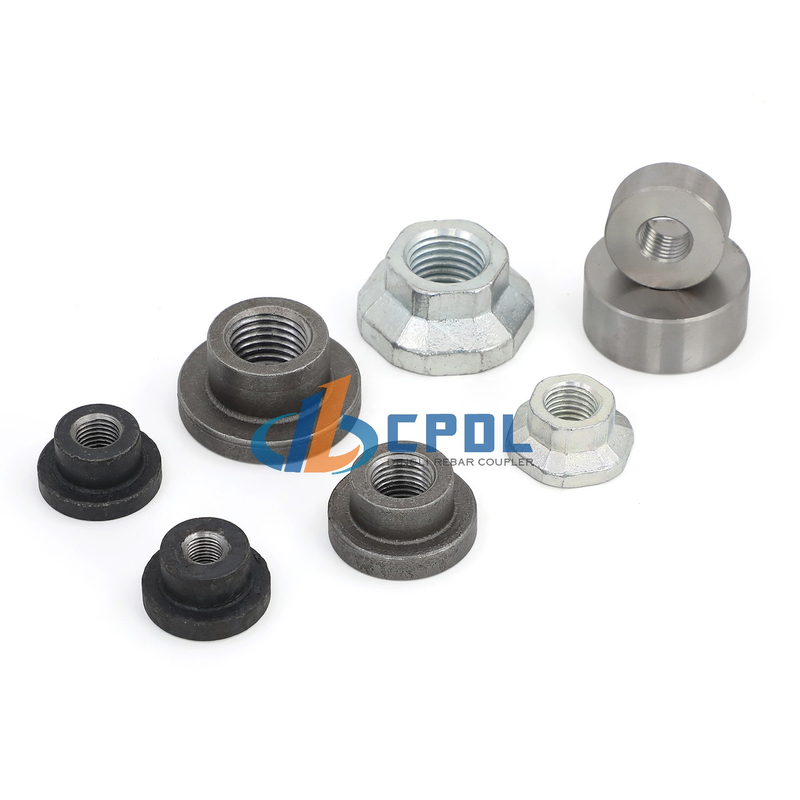
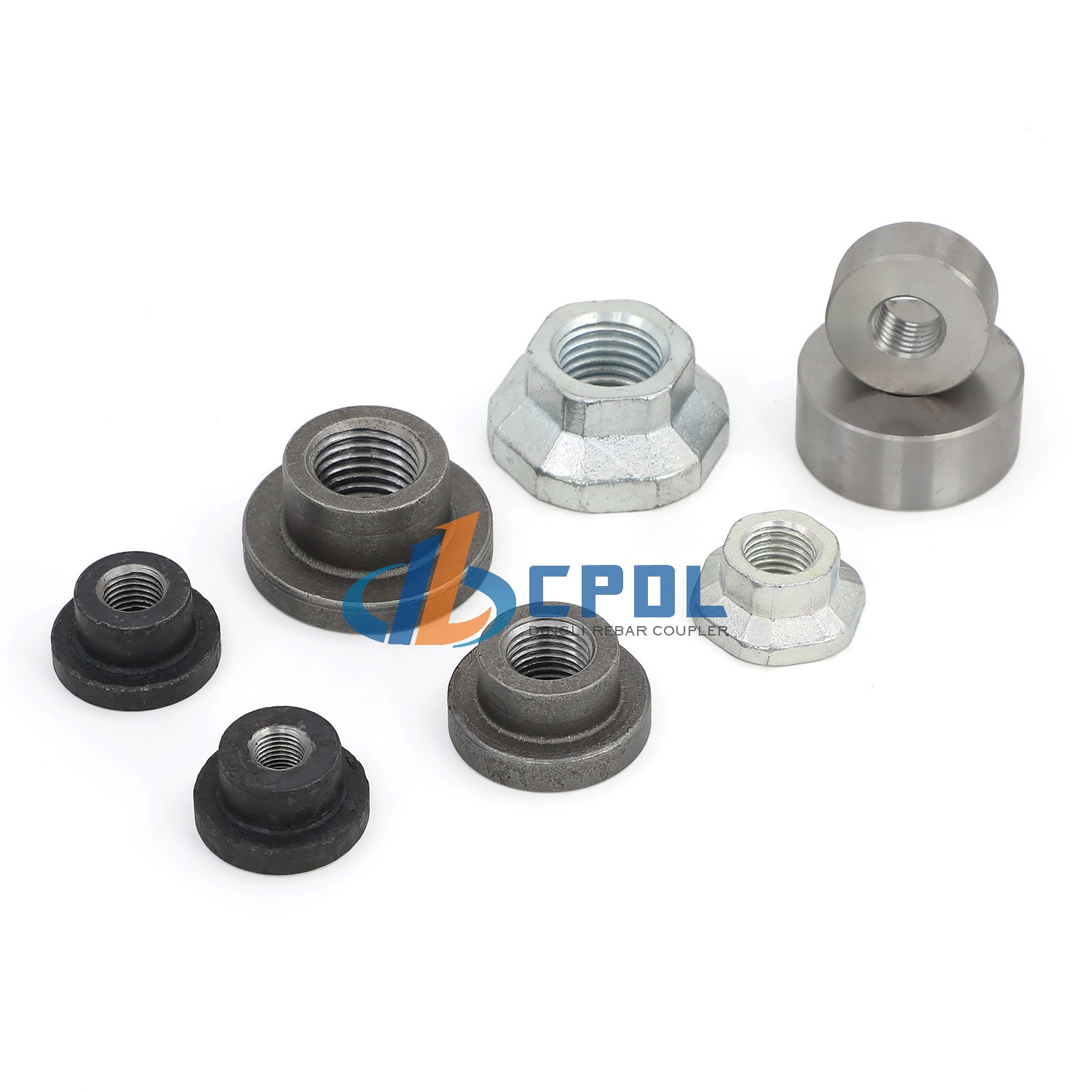
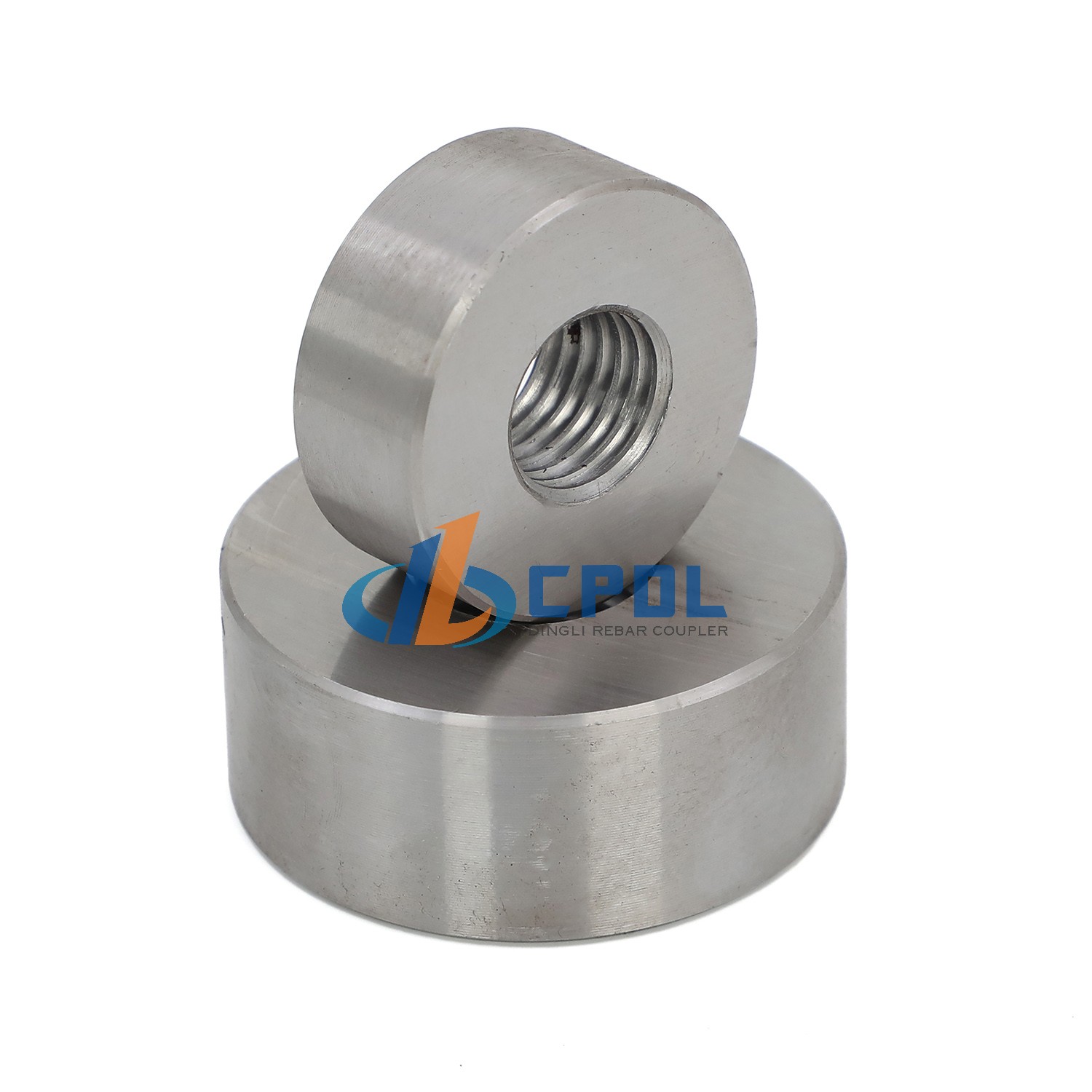
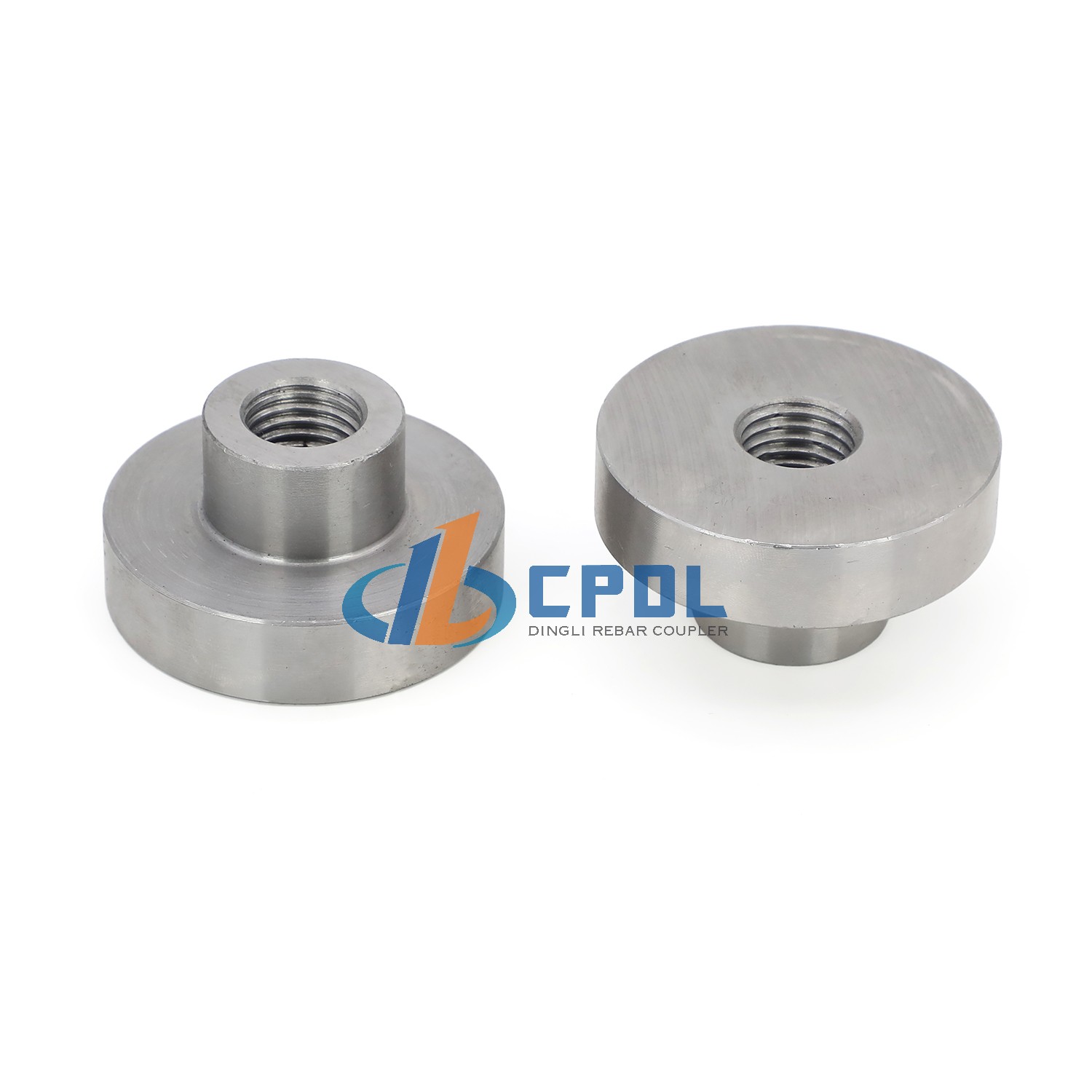
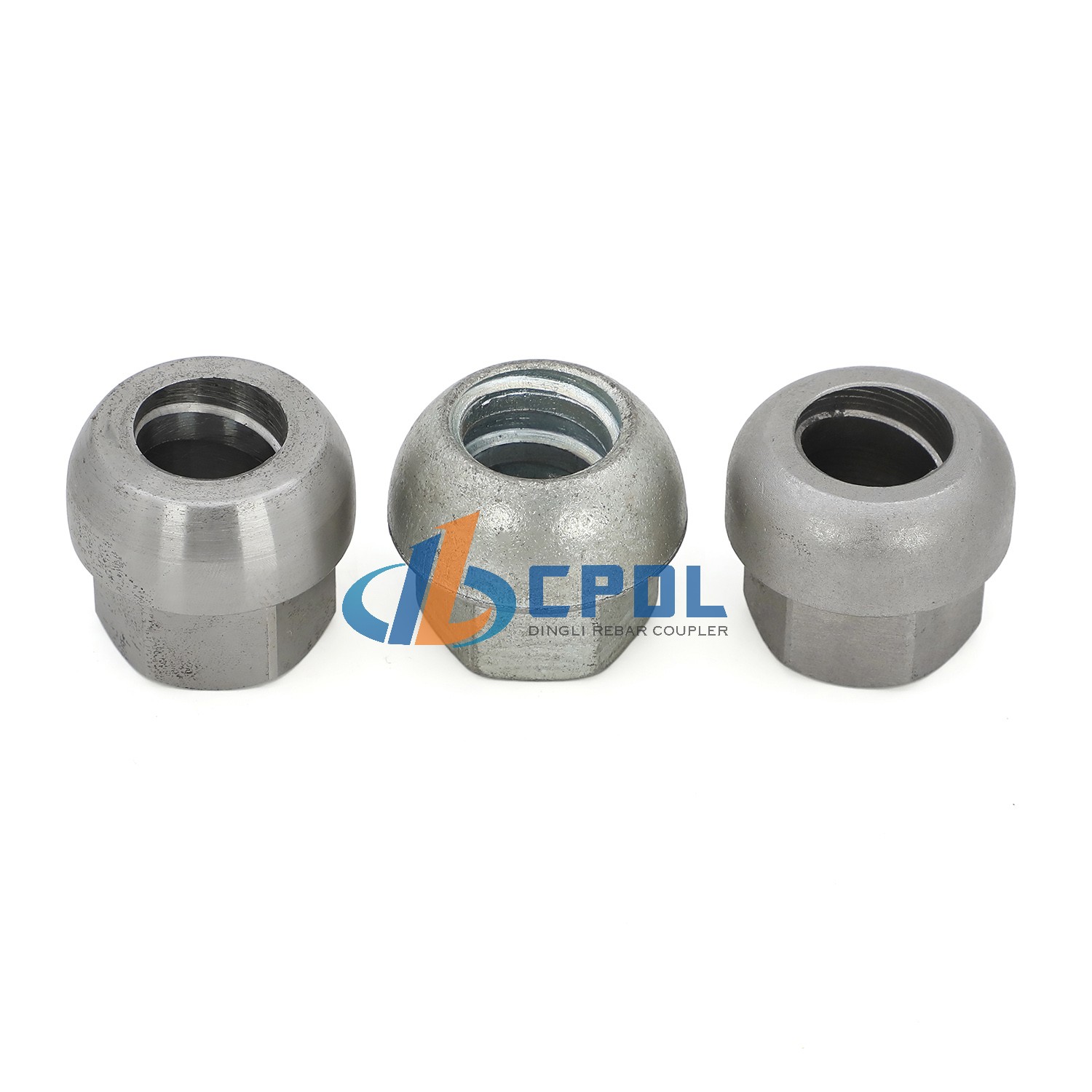
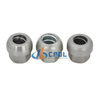
High Strength Steel End Anchorage Plate For Rebar Fixing In Concrete Structure
- Plate anchoring coupler for precast beam-column bolt joints
- Multi-size threaded anchor plate for heavy seismic construction
- Hidden embedded coupler avoids on-site welding damage
- Galvanized anchor plate coupler for coastal corrosive projects
Quantity: 


-
Φ12mm–Φ40mm
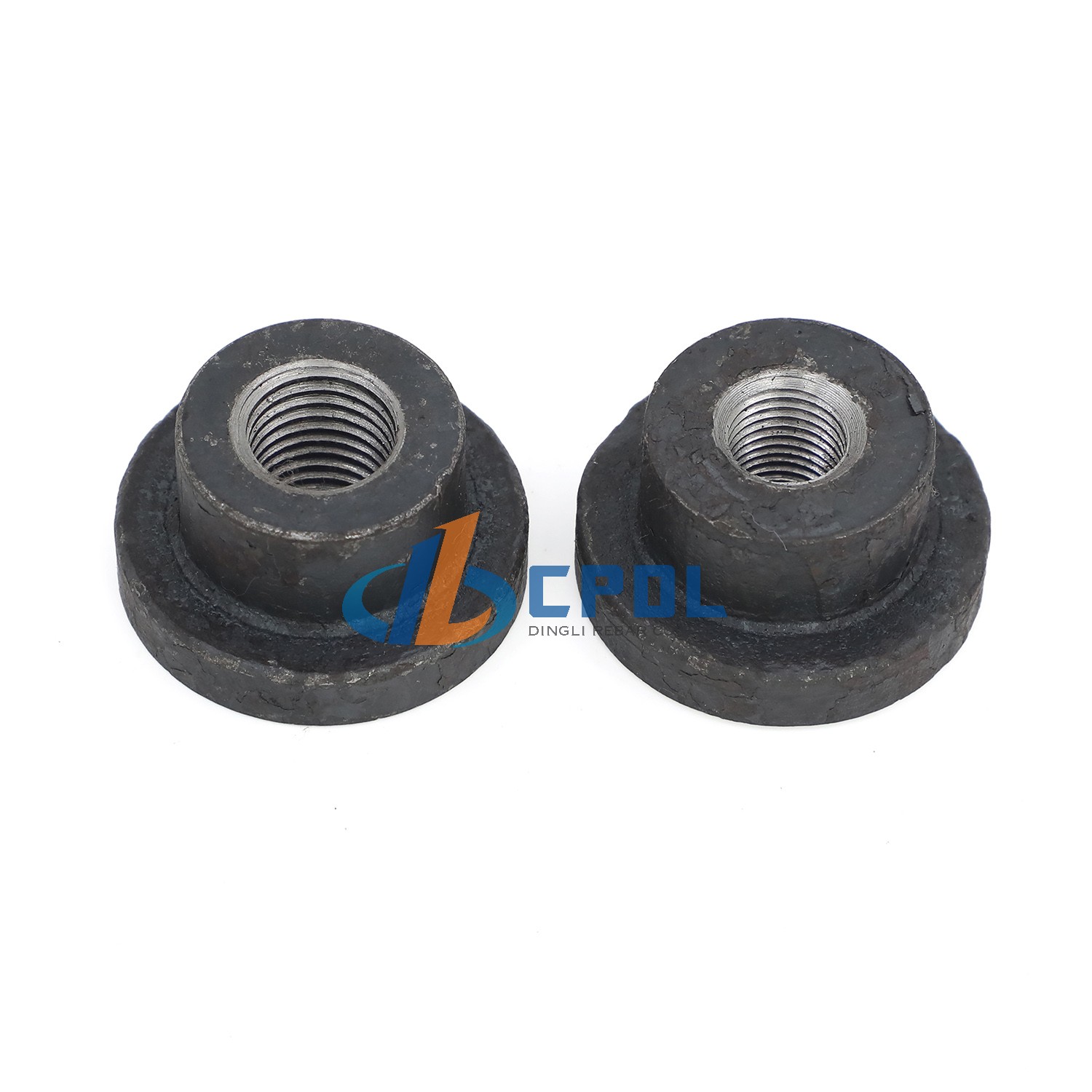
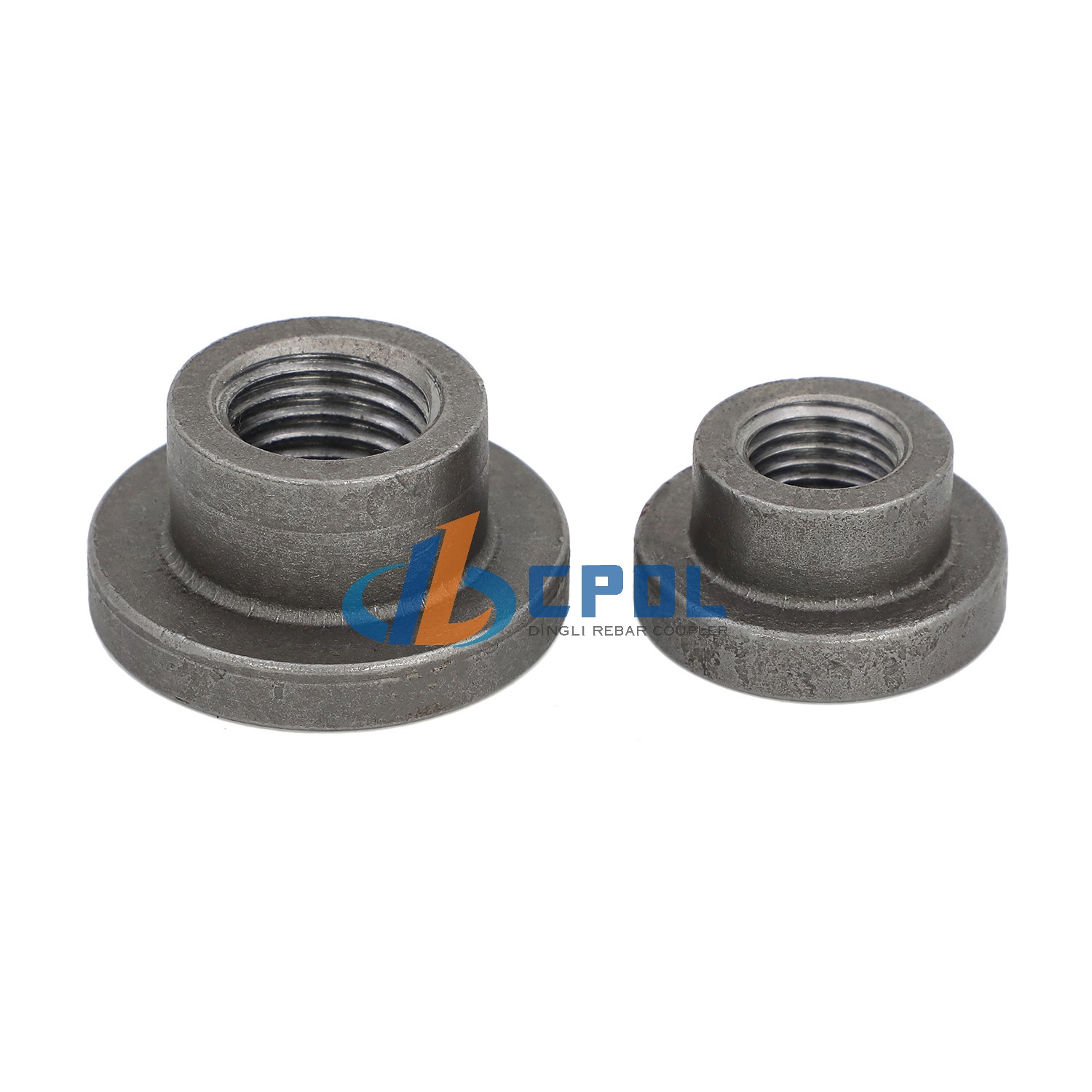
Product DescriptionAnchor Plate coupler is a steel structural component used to fix and anchor rebars in concrete, improving structural stability and bearing capacity.Different from threaded couplers for rebar splicing, end anchorage plate serves as a dedicated fixing component for rebar terminals. With reserved central holes, it is installed at the end of single rebar before concrete pouring. The plate expands the stress bearing area, so the pulling force of rebar can be spread to surrounding concrete instead of concentrating on a tiny contact point. This structure effectively solves the common problem of rebar loosening and detachment under long-term load.
Anchor Plate coupler - Core Features
Anchor Plate coupler = Straight Thread Sleeve + Integrated Anchor Plate
One end connects to the rebar, and the other end comes with a square or circular anchor plate, replacing the traditional rebar hooks and anchor elbows. It is a high-efficiency anchor joint with
Material: Low alloy structural steel, hot rolled blank
Feature: Uniform force bearing, anti-deformation, easy installation
Size: 12mm-40mm
Meet the requirements of steel bars: HRB500/B500B/SD600/ASTM 75
Material: S45C
▎Advantage:
Eliminate rebar hooks, saving space and size. No need to make 90° or 135° hooks anymore. The anchor plate alone can meet the anchoring length requirement, greatly releasing the node space.
Spacing between rebars is more sparse and easier to pour concrete. Without the hooks clustering, the concrete is easier to be compacted, resulting in fewer honeycombs and voids, and higher engineering quality.
Extremely fast construction. Just screw it on. No need to bend the rebar or bind the elbow, significantly increasing the construction efficiency compared to traditional anchoring.
More reasonable force distribution and better seismic performance. The anchor plate evenly bears the pressure, avoiding stress concentration at the elbow. It is highly suitable for high-intensity seismic zones.
Solves the problem of "too dense rebars to accommodate hooks". For beam-column nodes, core areas, and edge components of shear walls, the anchor plate is the best solution.
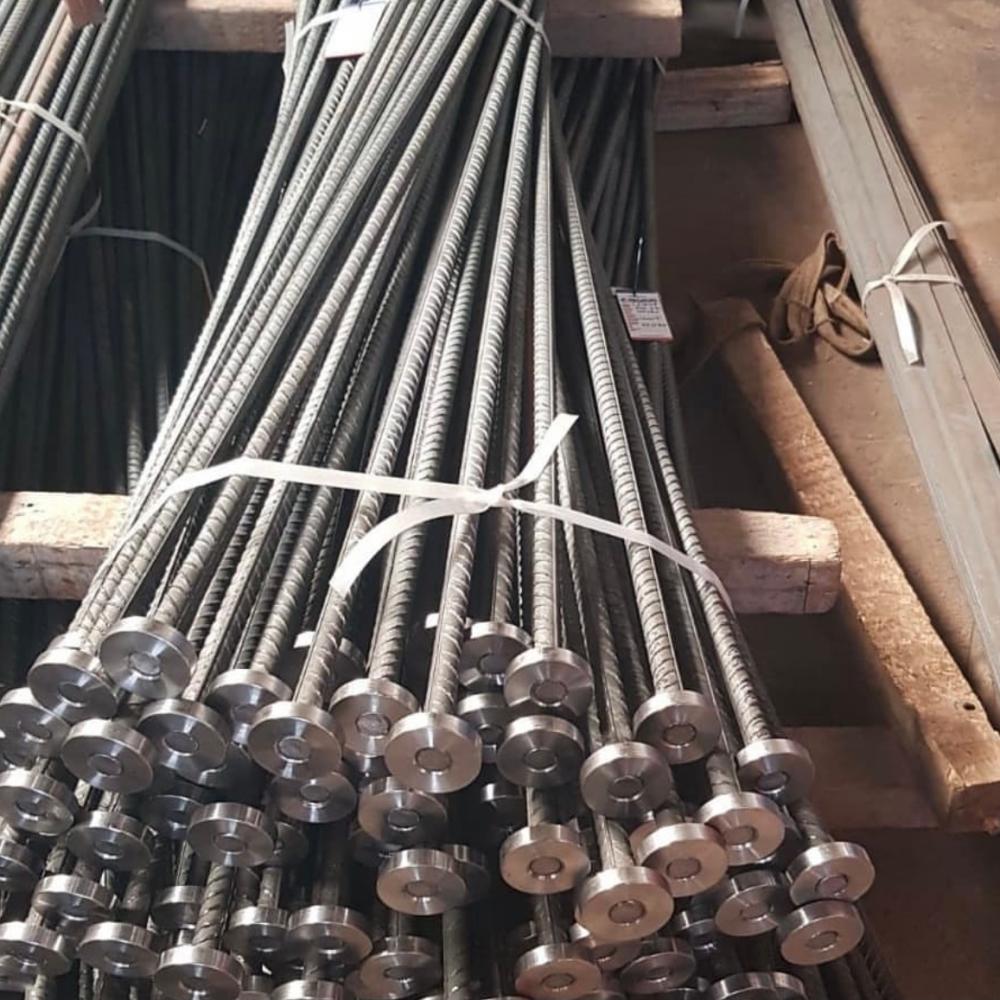
▎Application & Installation Position
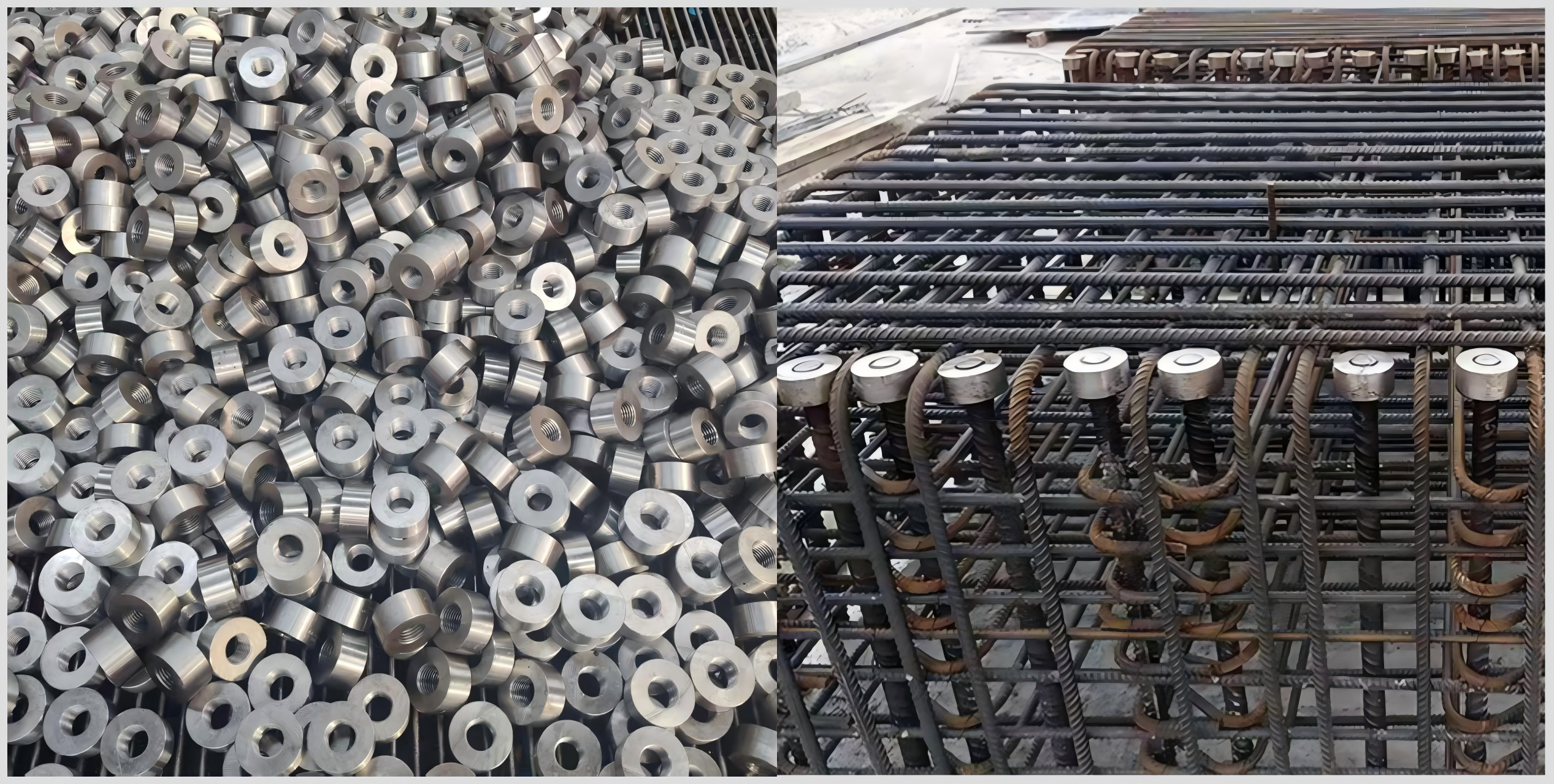
In the core area of beam-column joints (the most common), the main beam reinforcement bars are anchored at the end without hooks, providing ample space.
In shear wall hidden columns and end columns where the steel bars are densely packed and hooks cannot be placed, anchor plates offer a perfect solution.
In foundation slabs, pile caps, and elevator pits, where the steel bars are thick and the anchorage length is tight.
In prefabricated buildings, for PC components such as prefabricated columns, walls, and beams, the end anchorage of the steel bars is required.
In civil air defense projects and high-seismic structures where the force requirements are high and the disorder of hooks is not allowed. Bridge cap beams, box girders, and pier columns.
In areas where the steel bars are too dense to allow for the construction of hooks, and wherever hooks affect pouring and placement, it is used.
Mainly used for rebar end fixing in building floors, roof slabs, foundation slabs, bridge deck slabs, precast concrete components and tension-bearing structural parts. It is widely applied in residential buildings, municipal bridges and industrial plants.
▎FAQ
Q1: What problems can this end anchor solve?
A: Remove bent rebar hooks, reduce steel congestion, save embedment length, improve concrete pouring.
Q2: What surface finishes are available?
A: Plain black steel and epoxy coating for corrosion-resistant environments.
Q3: Which projects are suitable?
A: High-rise precast, bridge, tunnel, municipal works and sign post anchorage.
Q4: What bar sizes do you supply?
A: Full range #4 to #11 rebar with matched threaded anchor plates.
Q5: Does it meet international construction standards?
A: Conforms to ACI 318, ASTM A970, ICC AC-133 and traffic department codes.
Product DescriptionSUBSCRIBE TO OUR NEWSLETTERProfessional manufacturer of high-quality rebar couplers in China. We provide reliable, durableand cost-effective rebar connecting solutions for construction projects worldwide.- CUSTOM GOODS
- ABOUT CPDL
- GET IN TOUCH +86-13371462215 Xinfa Ind, Area, Chiping, LiaochengCity , Shandong Province, China
- SOCIAL FOLLOW
 English


