

- Home
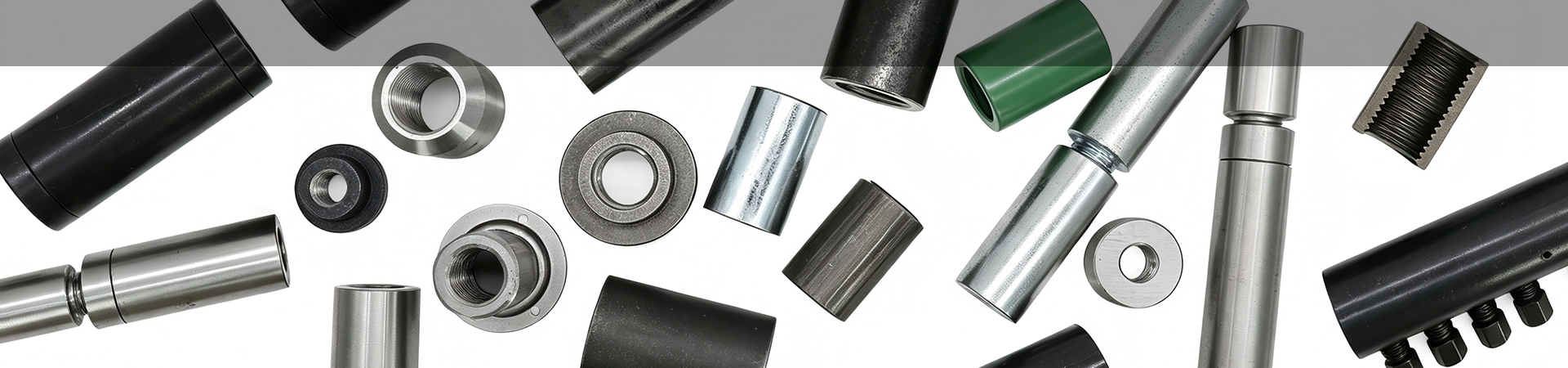
Parallel Thread Coupler
Parallel Thread Coupler is a high-strength mechanical splicing sleeve used to connect threaded reinforcing bars in reinforced concrete construction. For projects that require stable load transfer, reliable rebar continuity, and less dependence on lap splicing, it offers a practical connection solution. It supports columns, beams, foundations, walls, bridges, tunnels, subways, and other structural works. At Chiping Dingli Steel Sleeve Co., Ltd. (CPDL), we develop, produce, and supply rebar couplers and related connecting machinery. Our team helps contractors, distributors, and project buyers confirm suitable sleeve types for standard and non-standard requirements.
Send us your rebar diameter, steel grade, drawing, thread requirement, project standard, quantity, and destination. We will help confirm the specification and prepare a practical quotation for your next order.
Parallel Thread Coupler for High-Strength Rebar Splicing
A Parallel Thread Coupler connects reinforcing bars through prepared parallel threads and a matching rebar coupling sleeve. In suitable project conditions, it can improve bar continuity, reduce steel overlap, simplify reinforcement layout, and support efficient installation in congested splice zones.
Since 2013, CPDL has focused on rebar couplers, mechanical connection products, connecting sleeves, and related rebar machinery and tools. Buyers who need a broader connection package can also review our rebar coupler product category for additional sleeve types used in reinforced concrete construction.
Suitable for mechanical splicing of threaded steel rebars in reinforced concrete structures.
Supports cleaner reinforcement layout where lap splicing is difficult or less efficient.
Used in civil buildings, bridges, tunnels, subways, industrial projects, water conservancy works, and nuclear power plant-related construction.
Available for standard orders and non-standard customization according to drawings or project requirements.
Why Choose CPDL Parallel Thread Rebar Couplers
Choosing a Parallel Thread Coupler supplier involves more than sleeve price. Buyers also need stable production, inspection control, documentation support, and correct matching with the rebar processing method. CPDL is a Chinese manufacturer and supplier located in Chiping, Shandong. We operate a 10,000 square meter facility and focus on rebar couplers and mechanical connection products.
Our company operates under an ISO 9001 international quality management system certification. CPDL states an annual output of over 1 million sleeves of all types. For project buyers and distributors, this specialization supports bulk procurement, repeat orders, and project-based supply.
Factory Supply and Stable Parallel Thread Coupler Production Capacity
As a direct manufacturer, CPDL develops, produces, and sells rebar couplers and related mechanical connection products. Buyers can communicate technical requirements directly with our production side. This helps confirm sleeve type, order quantity, lead time, packaging, and standard or customized production needs.
CPDL's registered capital is stated as 6 million yuan, and our factory supports regular production of multiple coupler types. For bulk orders, direct factory communication can reduce specification misunderstandings and improve coordination from sample confirmation to shipment.
Quality Inspection for Every Rebar Coupling Sleeve
CPDL applies a strict quality control process that includes raw material inspection, in-process patrol inspection, and 100% final product inspection. This matters because dimensional consistency, thread matching, and sleeve quality directly affect site installation and splice reliability.
During order confirmation, buyers may request batch inspection details, required documents, and project-specific inspection points. CPDL can provide batch quality inspection reports. We can also support customer on-site inspection or third-party sampling when required.
Samples, Test Data, and Inspection Support
For new projects, distributors, or first-time cooperation, CPDL supports free sample delivery with attached sample test data. Our sample support lets buyers evaluate the coupler before larger production orders, especially when matching a specific rebar diameter, threading method, or project acceptance requirement.
CPDL also reports that its mechanical joints meet JGJ107-2016 requirements for Class I and Class II joints. Because final acceptance requirements vary by project, region, and design document, buyers should provide the applicable standard or specification sheet before ordering.
Parallel Thread Coupler Types and Specification Options
Parallel Thread Coupler products may be supplied in different configurations according to rebar layout, installation sequence, and project design. Correct selection depends on rebar diameter, thread details, steel grade, sleeve type, bar rotation conditions, and splice location.
Product dimensions, thread details, material requirements, and order conditions should be confirmed by drawings, samples, rebar size, and applicable standards. CPDL supports standard couplers and non-standard customized products. We help buyers choose a practical rebar splicing coupler for field installation.
Standard Parallel Thread Coupler
A standard Parallel Thread Coupler is used where rebars can be prepared and connected according to normal construction procedures. It suits routine mechanical rebar splicing in many reinforced concrete structures. The rebar thread, sleeve specification, and installation method must match the project requirements.
When requesting a standard sleeve quotation, buyers should provide rebar diameter, quantity, thread information, steel grade, and documentation requirements. This helps CPDL confirm the appropriate sleeve and prepare a more accurate offer.
Reducing or Transition Parallel Thread Coupler
A reducing or transition coupler connects two rebars with different diameters, subject to project design approval and relevant standards. This option is useful where reinforcement changes size between structural members or where design details require a diameter transition.
For this connection type, CPDL can review supplied drawings, bar sizes, and required thread details. You may also review the related reducing transition rebar coupler product information when comparing sleeve options for different bar diameters.
Position, Adjustable, and Customized Parallel Thread Coupler Options
Some splice locations do not allow easy bar rotation. Installation space may also be limited by surrounding reinforcement, formwork, embedded components, or construction sequence. In these cases, a position or adjustable coupler option may be more appropriate than a basic connection sleeve.
We can customize non-standard rebar coupling sleeves according to drawings, samples, thread requirements, or special project needs. For projects requiring a specific parallel threaded connection style, the upset forging Parallel Thread Coupler page may help during product comparison.
Applications of Parallel Thread Couplers in Reinforced Concrete Projects
Parallel Thread Couplers are used in reinforced concrete projects that require mechanical splicing of steel rebars. They are useful where designers and contractors need dependable rebar continuity, controlled splice locations, and compact connections compared with lap splicing.
CPDL supplies rebar couplers for civil buildings, industrial projects, tunnels, bridges, nuclear power plants, water conservancy projects, and subways. Our sales presence covers China and more than 10 countries and regions, including Saudi Arabia, Russia, Vietnam, India, Dubai, Brazil, and South Korea.
Buildings, Bridges, Tunnels, and Subway Projects
In building construction, parallel thread rebar couplers may be used in columns, beams, shear walls, foundations, and other reinforced concrete members. They can reduce congestion at splice zones and make reinforcement installation more organized when properly designed and installed.
For bridge, tunnel, and subway structures, mechanical splices are often considered in piers, decks, tunnel linings, metro stations, and retaining structures. A suitable Parallel Thread Coupler supports efficient bar connection and provides a clear inspection point for the splice.
Industrial, Water Conservancy, and Power-Related Structures
Industrial facilities, water conservancy structures, and power-related reinforced concrete projects often require consistent connection quality, documentation, and coordination with strict procedures. Our inspection workflow, batch quality inspection reports, and sample test data can support technical review and procurement approval.
Because these projects may involve special drawings, higher documentation requirements, or site-specific installation conditions, buyers should send technical documents before ordering. We can then help confirm whether standard products or customized non-standard couplers are more suitable.
How to Select the Right Parallel Thread Coupler
Selecting the right Parallel Thread Coupler starts with confirming the rebar and thread conditions. Before requesting a quotation, buyers should check rebar diameter, steel grade, sleeve type, thread type, thread direction, connection position, applicable standard, and quantity.
Installation conditions are also important. If the rebar can rotate and the splice is accessible, a standard coupler may be suitable. If the bar cannot rotate or space is limited, a position, adjustable, or customized option may need review. Sending drawings or a specification sheet helps CPDL confirm coupler size and processing requirements efficiently.
Key Information Needed for a Parallel Thread Coupler Quotation
To receive a faster and more accurate quotation, please provide the coupler type, rebar diameter, steel grade, thread requirement, quantity, and destination. If available, also send drawings, packaging requirements, project standards, inspection report needs, sample test data requirements, or third-party sampling requests.
For distributors and contractors handling multiple projects, CPDL can help organize quotations by sleeve type and rebar size. This makes it easier to compare quantities, confirm delivery planning, and prepare procurement documents for standard or customized rebar splicing coupler orders.
Matching Couplers with Rebar Threading Machinery
A Parallel Thread Coupler must match the prepared rebar thread. Selection should be coordinated with the rebar processing method and site installation plan. CPDL supplies both connecting sleeves and related machinery or tools, helping buyers align specifications with threading or rebar preparation requirements.
When additional end preparation equipment is needed, buyers can discuss the full mechanical connection workflow with our team. Related equipment references, such as the heavy-duty chamfering and flaring rebar coupler, may help buyers review processing requirements.
Quality Control and Compliance Support for Parallel Thread Couplers
Quality control is a key purchasing factor for Parallel Thread Coupler orders. The coupler forms part of the structural rebar connection system. CPDL's inspection process includes raw material inspection, in-process patrol inspection, and 100% final product inspection before shipment.
Batch quality inspection reports are available, and CPDL can support customer on-site inspection or third-party sampling when required. Free samples with attached sample test data may also be provided, giving buyers a practical way to evaluate suitability before mass procurement.
CPDL reports that its mechanical joints meet JGJ107-2016 requirements for Class I and Class II joints. Buyers should still confirm final project requirements, local regulations, and acceptance criteria with the project engineer or responsible authority. Please provide those documents to CPDL for technical confirmation.
Raw material inspection before production.
In-process patrol inspection during manufacturing.
100% final product inspection before delivery.
Batch quality inspection reports available.
Customer on-site inspection and third-party sampling support available.
Free samples with test data available where applicable.
Custom Parallel Thread Coupler Manufacturing and OEM Support
CPDL supports custom Parallel Thread Coupler manufacturing for buyers who need non-standard rebar coupling sleeves. We can work from drawings, samples, thread requirements, or special project specifications. This service is useful for engineering contractors, distributors, and procurement teams handling unusual splice locations, special dimensions, or order-specific packaging needs.
Customization may involve special sleeve dimensions, different coupler configurations, thread requirements, packaging details, or production based on supplied drawings. We review feasibility according to the buyer's technical documents and confirm production requirements before order arrangement.
Standard product lead time is stated as 7–15 working days. Non-standard customized products usually take 15–25 working days, depending on specifications and order quantity. To shorten the confirmation process, send complete drawings, rebar information, expected quantity, inspection requirements, and delivery schedule at the RFQ stage.
Packaging, Delivery, and Export Support for Parallel Thread Coupler Orders
Procurement teams often need more than the coupler itself. They also need packaging confirmation, sample delivery, inspection documents, shipping coordination, and clear communication during production. CPDL supports practical order handling for domestic and international buyers, including standard batch shipment and export communication.
Multiple shipping options are available, including sea freight, air freight, and courier. With sales experience in China and more than 10 countries and regions, CPDL serves contractors, distributors, and project buyers who require reliable rebar coupler delivery.
Get a Quote for Parallel Thread Couplers
If you need standard or customized Parallel Thread Couplers, contact CPDL with your project requirements for specification confirmation and quotation. As a focused Parallel Thread Coupler manufacturer and supplier in China, we support sleeve supply, related machinery and tools, batch inspection reports, and non-standard customization. Where applicable, free samples with attached sample test data may also be arranged.
For the fastest response, please include coupler type, rebar diameter, steel grade, thread specification, quantity, drawings, destination, packaging requirements, and inspection requirements. Our team will review your information and help confirm a suitable mechanical rebar connection product for your reinforced concrete project.
Request a Quote: Send coupler size, quantity, and delivery destination.
Send Drawings: Share project drawings or specification sheets for technical confirmation.
Ask for Free Sample: Request sample availability with attached sample test data where applicable.
Discuss Customization: Provide non-standard dimensions, thread details, or special project requirements.
Parallel Thread Coupler FAQ
What is a Parallel Thread Coupler used for?
A Parallel Thread Coupler is used to mechanically connect threaded rebars in reinforced concrete structures. It helps transfer load through the splice and can reduce dependence on traditional lap splicing where mechanical splicing is suitable for the project design.
What information is needed to choose the right parallel thread rebar coupler?
Please provide the rebar diameter, steel grade, required standard, thread details, quantity, and project drawings if available. Our team also needs to understand installation conditions, including whether the rebar can rotate and whether the splice area has limited space.
Can CPDL customize non-standard Parallel Thread Couplers?
Yes. CPDL supports customization for non-standard couplers based on drawings, samples, thread requirements, special dimensions, or specific project needs. Please send detailed technical information so we can review feasibility and confirm production requirements.
Are inspection reports available for rebar coupler orders?
Batch quality inspection reports are available. CPDL can also support customer on-site inspection or third-party sampling when required. Free samples with attached sample test data may be provided for pre-order evaluation where applicable.
How long does Parallel Thread Coupler production usually take?
Standard products usually take 7–15 working days. Non-standard customized products usually take 15–25 working days, depending on specifications, order quantity, and customization complexity.
SUBSCRIBE TO OUR NEWSLETTERProfessional manufacturer of high-quality rebar couplers in China. We provide reliable, durableand cost-effective rebar connecting solutions for construction projects worldwide.- CUSTOM GOODS
- ABOUT CPDL
- GET IN TOUCH +86-13371462215 Xinfa Ind, Area, Chiping, LiaochengCity , Shandong Province, China
- SOCIAL FOLLOW
English