

- Home
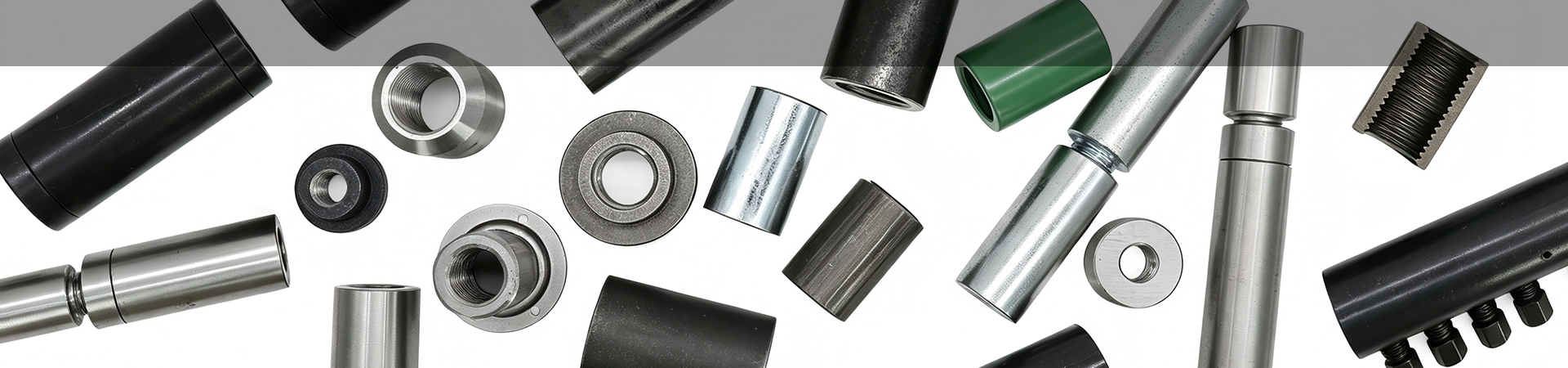
Cold Extrusion Press Coupler
A Cold Extrusion Press Coupler is a mechanical rebar connection sleeve. It joins reinforcing bars by cold pressing a steel sleeve around inserted rebar ends. This system is used in reinforced concrete construction where dependable bar continuity, stable splice quality, and efficient site installation are required. Chiping Dingli Steel Sleeve Co., Ltd. (CPDL) manufactures and supplies rebar couplers, connection machinery, and related tools. Our products serve civil buildings, industrial projects, bridges, tunnels, subways, water conservancy works, and other reinforced concrete applications.
Cold Extrusion Press Coupler for Rebar Mechanical Splicing
A cold extrusion rebar coupler, also called a rebar cold extrusion sleeve or cold pressed rebar splice coupler, connects two reinforcing bars through sleeve deformation. The rebar ends are inserted into the sleeve. Matched hydraulic pressing equipment then compresses the sleeve, so it grips the steel bar ribs and forms a mechanical connection.
This method suits projects that require rebar continuity, especially when on-site welding or thread processing is not preferred. As a specialized Chinese rebar coupler manufacturer and supplier, CPDL provides sleeves with related machinery and tools. We help buyers confirm sleeve type, bar diameter, press dies, and project requirements. Buyers comparing mechanical connection methods can also review our broader rebar couplers for reinforced concrete construction.
The correct sleeve should be selected by rebar diameter, grade, required joint performance, sleeve design, pressing equipment, site conditions, and applicable engineering standards. For accurate quotation and technical confirmation, we recommend submitting drawings, bar specifications, target standard, and estimated quantity.
Cold Extrusion Rebar Coupler Product Range and Specifications
CPDL supplies cold extrusion rebar coupler options for different project requirements. Standard and customized sleeve configurations are available where feasible. The correct pressed rebar splice coupler depends on bar diameter, sleeve dimensions, material requirements, and hydraulic press tooling. Buyers should confirm these parameters before bulk procurement.
The table below provides a practical category-level specification guide. Exact dimensions, material grade, compatible dies, and delivery details should be confirmed by project drawing, rebar specification, and order requirements.
Model / Size Applicable Rebar Diameter Sleeve Material Sleeve Length Outer Diameter Connection Method Compatible Press Tooling MOQ / Custom Availability Standard cold extrusion sleeve According to project rebar size Steel sleeve, confirmed by order requirement Confirm by drawing or specification Confirm by drawing or specification Hydraulic cold pressing / extrusion Matched hydraulic press and dies Available by quotation; customization supported where feasible. Standard 16 cold rebar splicing coupler Model indicates 16 mm application; final confirmation required Confirm with CPDL Confirm with CPDL Confirm with CPDL Cold pressed mechanical splice Matched die set for the confirmed bar size Available by inquiry. 18 radial cold extrusion rebar sleeve Model indicates 18 mm application; final confirmation required Confirm with CPDL Confirm with CPDL Confirm with CPDL Radial cold extrusion pressing Hydraulic pressing equipment and compatible dies Available by inquiry. Custom cold extrusion press rebar splicing coupler Based on rebar diameter and grade According to approved requirement Customized where feasible Customized where feasible Cold extrusion mechanical rebar connection Tooling confirmed together with sleeve design Custom supply supported; send drawings for review. For standard product references, CPDL lists the standard 16 cold rebar splicing coupler and the 18 radial cold extrusion rebar sleeve. These references can help buyers start selection. Final supply details should always be checked against engineering requirements and site conditions.
Advantages of Cold Extrusion Press Couplers
Cold Extrusion Press Couplers provide a practical mechanical rebar splice when a pressed sleeve connection is approved for the project. This system can reduce reliance on welding conditions. It also avoids thread cutting or thread rolling for this connection type.
When sleeve size, rebar grade, press die, and pressing procedure are properly matched, the connection can deliver stable splice performance. CPDL supports buyers with coupler supply, related tools, customization discussion, and quality documentation for applicable bulk orders.
Mechanical rebar splicing without on-site welding when suitable for the approved project method.
No thread processing required for this connection type.
Connection quality depends on matched sleeve size, dies, press force, and inspection procedures.
Suitable for jobsites where mechanical splice consistency and practical installation are important.
Can be supplied with technical confirmation for matching rebar connection machinery and tools.
Cold Extrusion Press Coupler Connection Without Welding
The splice is formed by hydraulic compression rather than welding. This can help on jobsites where welding quality, weather, power arrangements, or skilled welding labor create extra challenges. The selected connection method should still be reviewed against project design, local code requirements, and engineer approval.
Reliable Splice Performance for Reinforced Concrete Projects
Mechanical rebar splice performance is evaluated through factors such as tensile strength, ultimate stress, residual deformation, and secant modulus. CPDL states that its mechanical joints have undergone type tests. The company states that these joints meet JGJ107-2016 requirements for Class I and Class II joints. Buyers should request applicable test reports and confirm they match the product type, bar size, and project standard.
Efficient Installation with Matching Press Equipment
A hydraulic press rebar coupler system works best when sleeves, equipment, and dies are selected as a matched set. CPDL provides related connecting machinery and tools for rebar connection applications. This helps buyers discuss both the sleeve and the tooling needed for stable field installation. For bulk projects, confirming equipment compatibility before delivery can reduce installation uncertainty.
How the Cold Extrusion Press Coupler Connection Works
The cold extrusion rebar connection uses a direct mechanical principle. Two prepared rebar ends are inserted into a steel sleeve. Hydraulic equipment then presses the sleeve at specified positions. Under pressure, the sleeve plastically deforms and grips the ribs of the reinforcing bars.
Actual installation parameters depend on rebar diameter, sleeve structure, die size, press force, required joint performance, and the approved project procedure. Before site work begins, contractors should confirm the sleeve model, press tooling, operator instructions, and inspection requirements.
Typical Installation Steps for a Cold Extrusion Press Coupler
The following workflow is a general reference for rebar sleeve pressing. The final process should follow the approved project procedure, equipment instructions, and inspection plan.
Prepare the rebar ends and remove heavy rust, oil, mud, or other contaminants.
Confirm the rebar diameter, sleeve size, die specification, and required insertion depth.
Mark the insertion depth on the rebar to help verify correct sleeve positioning.
Insert the first and second rebar ends into the sleeve according to the required alignment.
Use the matched hydraulic press and dies to press the sleeve at the specified positions.
Inspect press marks, sleeve deformation, rebar alignment, and overall connection quality.
Applications of Cold Extrusion Press Couplers
Cold Extrusion Press Couplers are used where reinforced concrete structures require mechanical rebar continuity and a cold pressed sleeve connection is appropriate. CPDL serves civil buildings, industrial projects, tunnels, bridges, nuclear power plants, water conservancy projects, and subways.
Typical applications include vertical and horizontal reinforcement connections in heavy concrete structures, infrastructure works, and building projects. Final product selection should follow structural drawings, local codes, site installation conditions, and engineer approval.
High-rise and civil building reinforcement.
Bridge construction and transportation infrastructure.
Tunnel reinforcement and underground engineering.
Subway construction and station structures.
Industrial facilities and large reinforced concrete foundations.
Water conservancy projects and heavy concrete works.
Nuclear-related infrastructure where the approved specification permits this connection system.
For buyers needing a pressed sleeve reference for structural rebar splicing, CPDL also lists a durable cold extrusion press rebar splicing coupler. Product selection should be checked against actual bar size, application position, and required joint performance.
How to Select the Right Cold Extrusion Press Coupler
Selecting the right Cold Extrusion Press Coupler requires more than choosing a sleeve diameter. The coupler must match the reinforcing bar, required joint class, installation method, pressing equipment, project standard, and inspection requirements. Complete technical information helps CPDL recommend a suitable sleeve and prepare a more accurate quotation.
Cold extrusion pressing is preferred in some projects. In other cases, threaded couplers, parallel thread couplers, MBT couplers, one touch couplers, taper thread couplers, weldable couplers, adjustable couplers, or anchor plates may be more suitable. CPDL can help compare product types based on actual construction conditions.
Information to Confirm Before Ordering a Cold Extrusion Press Coupler
To speed up quotation and technical review, buyers should prepare the following information before contacting CPDL:
Rebar diameter and rebar grade.
Required joint performance, joint class, or applicable project standard.
Sleeve drawing, material requirement, or dimensional requirement if available.
Connection position, site conditions, and installation method.
Required quantity, delivery schedule, and destination.
Whether hydraulic press equipment, dies, or related accessories are needed.
Inspection report, third-party sampling, or on-site inspection requirements for bulk orders.
When to Consider Other Rebar Coupler Types
A pressed sleeve is not the only mechanical rebar connection choice. If the project requires threaded installation, no-preparation mechanical gripping, weldable connection, adjustable positioning, or bar-end anchorage, another product may be better suited.
CPDL’s product range includes threaded rebar couplers, parallel thread couplers, MBT rebar couplers, one touch couplers, hexagonal rebar couplers, taper thread couplers, adjustable rebar couplers, weldable rebar couplers, cold extrusion press couplers, and rebar anchor plates. Project engineers and procurement teams can share drawings and site constraints with us. This helps avoid mismatched selection and supports a smoother approval, purchasing, and installation process.
Quality Control for Cold Extrusion Press Coupler Manufacturing
CPDL applies strict quality control throughout rebar coupler production. The company has ISO 9001 international quality management system certification. CPDL states that its inspection process includes raw material inspection, in-process patrol inspection, and 100% final product inspection.
For a quality cold extrusion rebar coupler, this process is important. Sleeve consistency, dimensional accuracy, and finished product condition directly affect installation and project acceptance. For bulk orders, CPDL states that quality inspection reports can be provided. Customer on-site inspection or third-party sampling can also be supported according to order requirements.
Buyers should confirm inspection items, test documents, and reporting format before shipment. This is especially important for infrastructure and large reinforced concrete projects.
Inspection from Raw Material to Finished Sleeve
Quality control starts with incoming raw material review and continues during manufacturing. In-process patrol inspection helps monitor production consistency. Final inspection checks finished sleeves before delivery. Product-relevant inspection may include dimensional conformity, material consistency, forming quality, surface appearance, and packaging readiness.
Testing and Project Compliance Support for Cold Extrusion Press Couplers
CPDL states that its mechanical joints have undergone type tests. The company also states that these joints meet JGJ107-2016 Class I and Class II requirements. These requirements relate to tensile strength, secant modulus, ultimate stress, and residual deformation.
Project requirements may vary by country, structure type, rebar size, and approval procedure. Buyers should request applicable test reports. We also recommend confirming that the documents suit the specific order and project standard.
Custom Cold Extrusion Press Coupler Supply from CPDL
CPDL offers customization services for rebar sleeves according to customer requirements where feasible. For custom supply, buyers can send drawings, bar specifications, expected performance requirements, packaging needs, and quantity plans. Our team can then review feasibility and provide technical feedback.
CPDL can also provide free sample delivery where applicable. This may include sleeves and thread rolling machine accessories, subject to confirmation with our sales team.
Founded in 2013, CPDL operates a production site in Chiping, Shandong, covering about 10,000 square meters. The company states an annual output of over 1 million sleeves of various types. We supply both rebar couplers and related connecting machinery and tools. CPDL also provides value-added services, including product technology upgrade consultation and replacement plans for new-type products.
Custom Requirement: Custom sleeve size; What CPDL Can Review: Feasibility of length, outer diameter, and matching bar size; Buyer Input Needed: Drawing, rebar diameter, tolerance, and quantity.
Custom Requirement: Project-specific connection requirement; What CPDL Can Review: Suitable coupler type and documentation needs; Buyer Input Needed: Project standard, required joint class, and application position.
Custom Requirement: Matching machinery and tools; What CPDL Can Review: Hydraulic press and die compatibility for the selected sleeve; Buyer Input Needed: Existing equipment details or request for new tooling support.
Custom Requirement: Bulk procurement; What CPDL Can Review: Production scheduling, inspection reports, and shipment coordination; Buyer Input Needed: Order quantity, delivery schedule, destination, and packaging request.
Export, Packaging and Trade Support for Cold Extrusion Press Couplers
CPDL supplies domestic markets and exports rebar coupler products to more than 10 countries and regions. These include Saudi Arabia, Russia, Vietnam, India, Dubai, Brazil, and South Korea. For international procurement, we support quotation, product confirmation, inspection report coordination, packaging discussion, delivery planning, and after-sales communication.
To prepare an accurate export quotation, buyers should confirm the destination country or port, product quantity, required documentation, packaging needs, and sample requirements. For large orders, buyers may also discuss quality inspection reports, on-site inspection, or third-party sampling.
Share rebar diameter, grade, and target standard at the inquiry stage.
Confirm whether sleeves only or sleeves with pressing equipment and dies are required.
Provide order quantity, delivery schedule, destination, and preferred trade terms if available.
Discuss packaging and labeling requirements before production or shipment.
Request applicable inspection documents for project approval and receiving inspection.
Request a Quote for Cold Extrusion Press Couplers
If you need a Cold Extrusion Press Coupler manufacturer for bulk supply, custom sleeve production, sample confirmation, or press tooling consultation, contact CPDL. As a focused rebar coupler manufacturer and supplier in China, we can review your rebar diameter, grade, required standard, quantity, drawings, delivery destination, and inspection needs. Our team will use this information to prepare a suitable quotation.
For a faster response, please include your target application. Let us know whether the couplers will be used for buildings, bridges, tunnels, subways, industrial projects, or water conservancy works. Please also confirm whether hydraulic pressing equipment or dies are needed with the sleeves. CPDL can discuss sample support and customization feasibility before you place a bulk order.
Request a Cold Extrusion Press Coupler quote.
Upload drawings or sleeve specifications for custom review.
Ask for matching hydraulic press and die recommendations.
Confirm inspection reports and export documentation for bulk orders.
Discuss sample delivery where applicable.
Cold Extrusion Press Coupler FAQ
What is a Cold Extrusion Press Coupler?
It is a steel sleeve used to mechanically connect rebars. The sleeve is pressed around inserted bar ends with hydraulic equipment. This creates a rebar splice without welding or thread processing when the system is suitable and approved for the project.
What information is needed for a Cold Extrusion Press Coupler quotation?
Please provide the rebar diameter, grade, required standard or joint class, order quantity, drawings if available, and delivery destination. If you need hydraulic press equipment, dies, or related tools, please include those details. Our team will review compatibility before quotation.
Can CPDL customize cold extrusion rebar sleeves?
Yes. CPDL offers customization services for rebar sleeves according to project requirements where feasible. Buyers can send drawings, technical specifications, rebar details, and quantity plans for confirmation before production.
Are inspection reports available for bulk Cold Extrusion Press Coupler orders?
CPDL states that bulk orders can be accompanied by quality inspection reports. Customer on-site inspection or third-party sampling can also be supported according to order requirements. We recommend confirming the required documentation before shipment.
Where are cold extrusion press couplers commonly used?
They are commonly used in reinforced concrete construction. Typical applications include civil buildings, bridges, tunnels, subways, industrial projects, water conservancy projects, and other large concrete structures. Final selection should follow the project design, applicable standards, and engineer approval.
Do Cold Extrusion Press Couplers require threading?
No thread cutting or thread rolling is required for this connection method. The sleeve is mechanically pressed around the inserted rebars. Correct sleeve selection, press equipment, dies, and approved procedures are still essential.
Can CPDL supply related rebar connection machinery and tools?
Yes. CPDL provides connecting machinery and tools for rebar connection applications in addition to rebar couplers. For cold extrusion rebar coupling, buyers should confirm whether matched hydraulic pressing equipment and dies are required with the sleeves.
SUBSCRIBE TO OUR NEWSLETTERProfessional manufacturer of high-quality rebar couplers in China. We provide reliable, durableand cost-effective rebar connecting solutions for construction projects worldwide.- CUSTOM GOODS
- ABOUT CPDL
- GET IN TOUCH +86-13371462215 Xinfa Ind, Area, Chiping, LiaochengCity , Shandong Province, China
- SOCIAL FOLLOW
English