

- Home
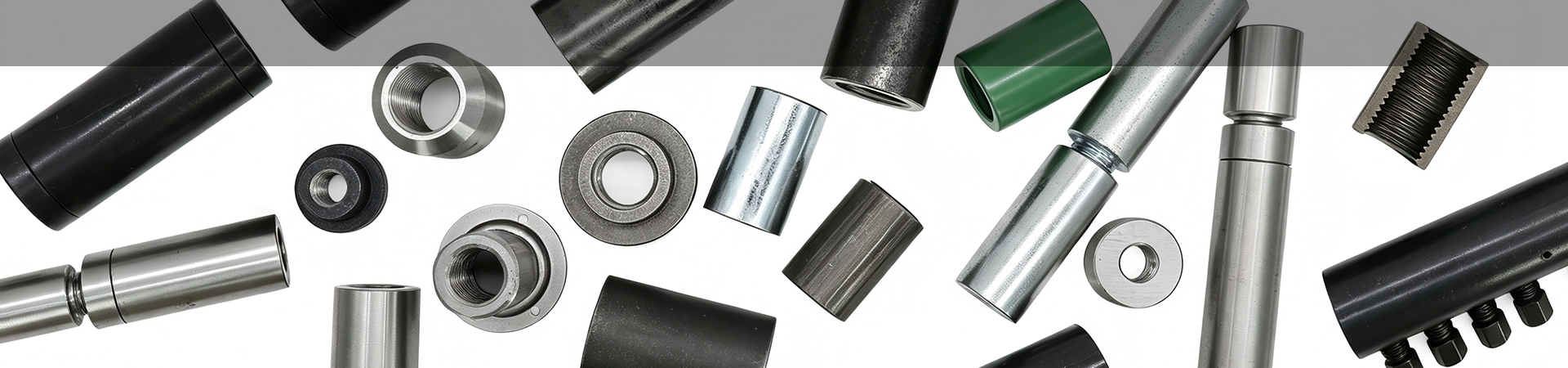
Rebar Anchor Plate
Rebar Anchor Plate is a mechanical anchorage component used with threaded reinforcing bars to help transfer force into concrete. It can reduce reliance on long hooked bar anchorage in suitable reinforced concrete details. For projects with limited space or dense reinforcement, a rebar anchorage plate can support a more compact bar layout. It can also simplify installation and improve detailing efficiency. Chiping Dingli Steel Sleeve Co., Ltd. (CPDL) supplies anchor plates with rebar couplers, threaded connection products, and related rebar connection machinery for construction applications. Choose standard specifications where suitable, or send your drawings to request a customized Rebar Anchor Plate quotation.
Rebar Anchor Plate for Mechanical Rebar Anchorage
This component is designed to provide mechanical end anchorage for reinforcing bars. It is especially useful when the bar end is threaded and connected to an anchorage plate. Compared with traditional hook anchorage in some construction details, a threaded anchor plate can help reduce development length requirements. It can also minimize reinforcement congestion and make compact concrete zones easier to install.
CPDL is a Chinese manufacturer and supplier focused on mechanical rebar connection products. Our range includes rebar couplers, anchorage components, and supporting machinery and tools. For buyers who need a complete rebar connection package, we can supply anchor plates alongside rebar coupler systems and related connecting machinery. This supports convenient procurement for contractors, distributors, precast factories, and project buyers.
Rebar anchor plates are commonly considered where compact anchorage, reduced bar bending work, and reliable load transfer are important. They can be used in building structures, foundations, bridge works, tunnels, subways, water conservancy projects, industrial facilities, and other civil engineering projects. In each application, rebar end anchorage should be planned carefully according to the project drawings.
Why Choose CPDL Rebar Anchor Plates
CPDL supplies practical anchorage components supported by factory production, inspection control, and customization capability. As a company specializing in mechanical rebar connection products, we understand how threaded bars, couplers, anchor plates, and jobsite installation requirements work together.
For procurement teams, the value of an anchor plate depends on more than the plate itself. Compatibility with the threaded rebar system and reliable manufacturing are also important. CPDL provides connecting sleeves and connecting machinery, supports sample arrangements where applicable, and offers technical consultation for product upgrades and replacement plans for new-type products.
Compact Rebar Anchor Plate Anchorage for Congested Reinforcement Areas
In congested reinforcement zones, long hooks and overlapping bends can make installation difficult. They may also interfere with surrounding bars, formwork, or embedded components. A mechanical anchor plate can help create a more compact detail by anchoring the threaded rebar end through a plate.
This anchorage method is useful in beam-column joints, pile caps, foundations, wall ends, beam ends, slab edges, and precast concrete components. By reducing unnecessary bending operations, contractors can improve installation efficiency. They can also maintain a clearer reinforcement layout according to the project drawings.
Factory-Controlled Manufacturing and Inspection
CPDL describes a structured quality control process for production. It covers raw material inspection, in-process patrol inspection, 100% final inspection, batch quality reports, and support for customer on-site inspection or third-party sampling. For anchor plate buyers, this workflow helps confirm dimensions, thread compatibility, surface condition, and packaging before shipment.
The company states that its mechanical joints have undergone type tests. It also states that tensile strength, secant modulus, ultimate stress, and residual deformation meet JGJ107-2016 requirements for Class I and Class II joints. For anchorage plates and complete connection details, final confirmation should be based on the exact specification, engineering drawings, project standard, and testing requirements.
Custom Rebar Anchor Plate Sizes Available
CPDL can support non-standard specifications according to rebar diameter, thread type, plate shape, thickness, and customer drawings. Customization is important when projects require special anchorage dimensions, limited installation space, particular plate geometry, or compatibility with an existing threaded rebar system.
Buyers can share drawings, samples, or technical requirements for review before production. We also offer sample support for relevant products and can provide sample test data where applicable. This helps customers verify the specification before confirming bulk orders.
Rebar Anchor Plate Specifications and Options
Specifications should be selected according to the reinforcement design, processed rebar thread, concrete member geometry, installation space, and applicable project standards. Because anchorage requirements vary by project, CPDL recommends confirming key details before production. These include final plate dimensions, thread details, material requirements, quantity, packaging, and inspection needs.
The following table provides a practical category-level guide for inquiry preparation. It helps buyers organize the main specification points, but it does not replace project drawings or engineering confirmation.
Threaded Rebar Anchor Plate Options
A threaded anchor plate is intended to work with a threaded reinforcing bar end, so thread accuracy and compatibility are essential. Buyers should confirm the thread form, pitch, thread length, and rebar processing method before placing an order. If the plate is used with other mechanical connection components, the overall system should be checked together.
For projects using end anchorage in concrete structures, CPDL can also support related product inquiries such as a high-strength steel end anchorage plate for rebar fixing. When sending an inquiry, include the rebar diameter, thread specification, required plate dimensions, and project drawing. Our team can then review the best-fit production approach.
Round, Square, and Custom Rebar Anchorage Plate Designs
Rebar anchorage plate design may vary according to the concrete member, available space, reinforcement density, and installation method. Round and square plate shapes are commonly considered for mechanical anchorage applications. Custom shapes may be required when the plate must avoid nearby reinforcement, embedded parts, or formwork restrictions.
CPDL can review customized requirements based on customer drawings. These may include plate outside dimensions, hole and thread requirements, thickness, edge shape, and packaging needs. For precast applications, buyers may also compare related components such as a forged head anchor plate coupler for precast concrete. This is useful when the project requires a specific anchorage or connection detail.
Applications of Rebar Anchor Plates in Construction
Rebar Anchor Plates are used in reinforced concrete projects where mechanical anchorage can improve reinforcement layout and site installation. CPDL has application experience across civil buildings, industrial projects, tunnels, bridges, nuclear power plants, water conservancy projects, and subways. This reflects broad demand for mechanical rebar connection and anchorage products in modern construction.
In many projects, the main objective is to maintain reliable rebar anchorage while reducing congestion. This is especially relevant in areas with multiple crossing bars, large-diameter reinforcement, complex structural nodes, or precast components. These locations often require accurate placement before concreting.
Use in Building and Industrial Structures
In building and industrial structures, anchor plates can be considered for foundations, columns, walls, beam ends, slab edges, pile caps, and precast concrete elements. These areas often contain dense reinforcement and limited working space. Compact mechanical anchorage can therefore support both design coordination and site productivity.
For contractors and precast manufacturers, a threaded rebar anchor plate can reduce the need for complicated bar bending. It can also help standardize anchorage details across repeated components. When used with compatible threaded rebar systems and confirmed drawings, the plate supports a cleaner reinforcement arrangement.
Rebar Anchor Plates for Bridges, Tunnels, Subways, and Infrastructure
Infrastructure projects often require reinforcement details that are durable, repeatable, and practical for jobsite installation. These projects include bridges, tunnels, subways, water conservancy structures, and industrial facilities. Mechanical end anchorage can be considered where traditional hooked bars may create congestion or installation challenges.
Infrastructure procurement often involves strict drawings, inspection requirements, delivery schedules, and logistics planning. CPDL supports buyers with specification review, production planning, and international shipping coordination. Anchor plates can be quoted together with related connection products when a project needs a broader mechanical rebar package.
How to Select the Right Rebar Anchor Plate
Selecting the right Rebar Anchor Plate begins with confirming how it will be used in the reinforcement detail. Buyers should not select the product only by outside dimension. Rebar diameter, thread specification, anchorage position, plate thickness, material requirement, and project standard all influence the final purchase specification.
Procurement teams, engineers, distributors, and contractors can speed up quotation by preparing technical information before contacting CPDL. If the project has a special design, we recommend sending drawings or samples. Our factory can then review feasibility, production method, lead time, and inspection requirements.
Key Information to Confirm Before Ordering
Before requesting a quotation, prepare the main details needed to evaluate the specification. Clear information reduces back-and-forth communication and helps CPDL provide a more accurate price, production schedule, and shipping plan.
Rebar diameter and grade information if specified in the project documents
Thread type, pitch, direction, effective thread length, and processed rebar thread details
Plate outside dimension, thickness, shape, and any special machining requirements
Material or grade requirement stated in the drawing or specification
Surface treatment or finishing requirement, if any
Order quantity, sample quantity, or expected annual demand
Project standard, inspection requirement, and any third-party sampling request
Packaging requirement, destination country or port, and target delivery time
If drawings are available, they should be sent with the inquiry. Drawings help confirm the anchor plate geometry, thread requirements, tolerance expectations, and compatibility with the reinforcement layout.
Standard vs. Customized Rebar Anchor Plates
Standard Rebar Anchor Plates are suitable when the project uses common anchorage details and sizes that can be supplied efficiently. They are often preferred for regular procurement, repeat orders, and projects where drawing requirements align with available production specifications.
Customized plates are recommended when the project requires special shapes, non-standard dimensions, unique thread requirements, special packaging, or project-specific engineering details. CPDL states lead times of 7–15 working days for standard products and 15–25 working days for non-standard customized products. Final timing depends on specification, quantity, inspection requirements, and production schedule.
Quality Control for Rebar Anchor Plate Production
Quality control is important because the product must match the threaded rebar system and the construction drawing. CPDL states that it operates under an ISO 9001 international quality management system. The company also applies strict inspection procedures throughout production.
For project buyers, quality records and batch inspection support can help reduce procurement risk and improve traceability. CPDL’s process includes raw material inspection, patrol inspection during production, 100% final inspection, batch quality reports, and support for customer on-site inspection or third-party sampling when required.
Inspection from Raw Material to Finished Product
CPDL’s quality workflow begins with raw material inspection and continues through in-process patrol inspection. This helps identify production issues early. For anchor plates, important inspection points may include general dimensions, thread compatibility, plate surface condition, machining quality, and packaging status according to confirmed order requirements.
The company states that it conducts 100% final inspection before shipment. This final check helps ensure that finished products are consistent with the purchase specification, batch requirements, and customer confirmation details.
Samples, Test Data, and Third-Party Inspection Support
CPDL offers free sample delivery for relevant products, including sleeves and thread rolling machine accessories, with sample test data where applicable. For Rebar Anchor Plate inquiries, buyers can contact our team to confirm whether samples are available for the required specification. We can also confirm what information can be provided for evaluation.
For larger orders or project-based procurement, CPDL supports customer on-site inspection and third-party sampling. This can be useful for contractors, distributors, and engineering buyers who need additional confirmation before shipment or repeat orders.
Rebar Anchor Plate Manufacturing and Export Support
CPDL was founded in 2013 and is located in Xinfa Industrial Area, Chiping, Liaocheng City, Shandong, China. The company describes itself as a professional sleeve manufacturing factory with a stated 10,000-square-meter factory area and a registered capital of 6 million yuan.
Although CPDL is primarily known for rebar coupler and sleeve production, our product range also includes Rebar Anchor Plate products, rebar machinery and tools, connecting machinery, and thread rolling machine accessories. The company states an annual output of more than 1 million sleeves of all types. It also states an output of more than 60 sets of various mechanical equipment, reflecting broader manufacturing capability in the rebar mechanical connection field.
CPDL exports to the domestic market and more than 10 countries and regions. These include Saudi Arabia, Russia, Vietnam, India, Dubai, Brazil, and South Korea. For international buyers, we support sea freight, air freight, and courier shipping through international freight forwarders. The shipping method depends on order quantity, delivery schedule, and destination.
Support for Contractors, Distributors, and Project Buyers
Contractors may need anchor plates for specific reinforcement details on active construction sites. Distributors may require stable supply for repeat demand. Project buyers often need documentation, sample checking, customized production, and clear delivery planning. CPDL supports these purchasing needs through factory production, technical communication, and order coordination.
In addition to supplying products, CPDL provides value-added services such as product technology upgrade consultation and replacement plans for new-type products. This is useful for customers upgrading from traditional connection methods to mechanical rebar connection systems. It can also support customers who need to improve reinforcement installation efficiency.
Packaging, Delivery, and International Shipping
Packaging requirements should be confirmed according to product size, order quantity, shipping method, and destination. For export orders, CPDL can coordinate suitable packaging and shipment arrangements at a high level. This helps protect products during transportation and simplifies receiving at the customer side.
Standard products generally have shorter production timing, while customized anchor plates require additional technical confirmation and production preparation. Buyers should provide the destination country or port, preferred shipping method, and required delivery time early. Our team can then recommend a practical shipping plan.
Request a Rebar Anchor Plate Quote from CPDL
If you are looking for a Rebar Anchor Plate manufacturer and supplier for construction, infrastructure, precast, or industrial projects, CPDL can review your requirements. We can provide a quotation based on your drawings and specifications. For a faster response, send the rebar diameter, thread specification, plate dimensions, material or grade requirement, quantity, destination port, and required delivery time.
You can also request sample support, technical consultation, or a customized production plan for non-standard anchorage plate designs. Our team can help evaluate standard and customized options, confirm lead time, and coordinate international shipping according to your procurement schedule.
Get a Rebar Anchor Plate quote from CPDL
Send drawings for custom production review
Request samples where applicable
Contact our team for technical consultation
Rebar Anchor Plate FAQ
What is a rebar anchor plate used for?
A rebar anchor plate is used to provide mechanical anchorage for reinforcing bars in concrete structures. It can help reduce long hook anchorage and simplify reinforcement layout in congested areas. Our team recommends confirming use with compatible threaded rebar systems and project drawings.
Can CPDL customize Rebar Anchor Plates according to drawings?
Yes. CPDL supports customized specifications based on rebar diameter, thread type, plate size, thickness, shape, and project drawings. Please provide drawings, samples, or technical requirements. Our factory can then review feasibility, quotation details, and production requirements.
What information should I provide for a Rebar Anchor Plate quotation?
Please provide the rebar size, thread specification, plate dimensions, material requirement, quantity, drawings if available, destination, and any inspection requirements. Clear information helps us confirm compatibility, production timing, packaging, and shipping cost more efficiently.
Does CPDL provide samples before bulk orders?
CPDL offers sample support for relevant products and can provide sample test data where applicable. Please contact our sales team to confirm sample availability for your exact specification. This is especially important for custom dimensions or special thread details.
What is the typical lead time for Rebar Anchor Plates?
CPDL states 7–15 working days for standard products and 15–25 working days for non-standard customized products. Final lead time depends on specification, quantity, drawing confirmation, inspection requirements, and the current production schedule.
SUBSCRIBE TO OUR NEWSLETTERProfessional manufacturer of high-quality rebar couplers in China. We provide reliable, durableand cost-effective rebar connecting solutions for construction projects worldwide.- CUSTOM GOODS
- ABOUT CPDL
- GET IN TOUCH +86-13371462215 Xinfa Ind, Area, Chiping, LiaochengCity , Shandong Province, China
- SOCIAL FOLLOW
English