

- Home
-

Precision Parallel Thread Reducing Transition Rebar Coupler For Concrete Construction
- Precise equal-strength rebar reducing connection
- Seismic resistant rebar reducing coupler
- Safe & fast mechanical bar connection
- Bulk cost-effective rebar coupler supply
- Versatile engineering rebar reducer coupler
Quantity: 


-
Φ12mm~Φ40mm
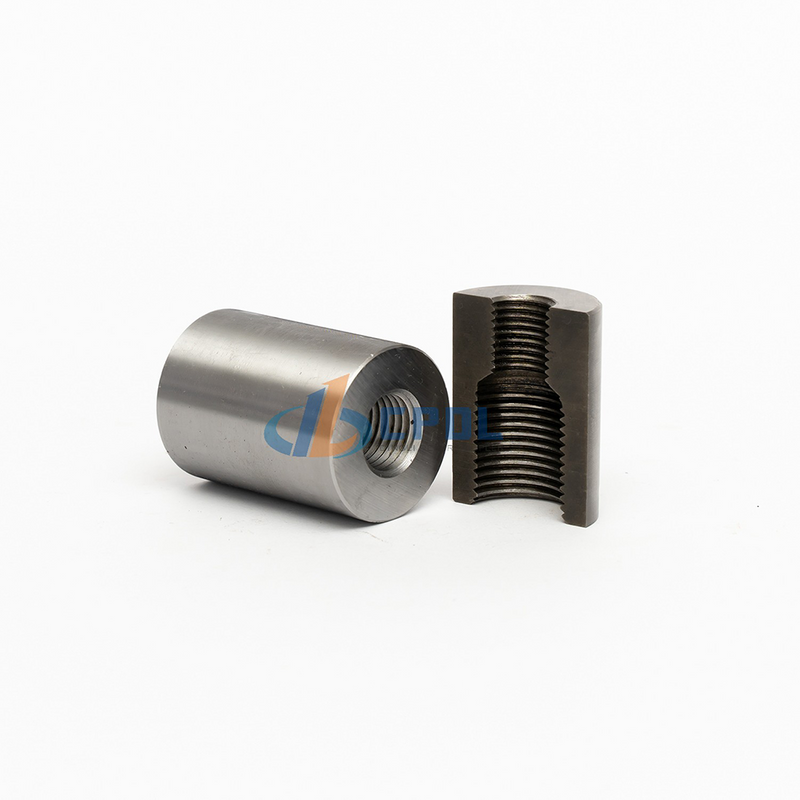
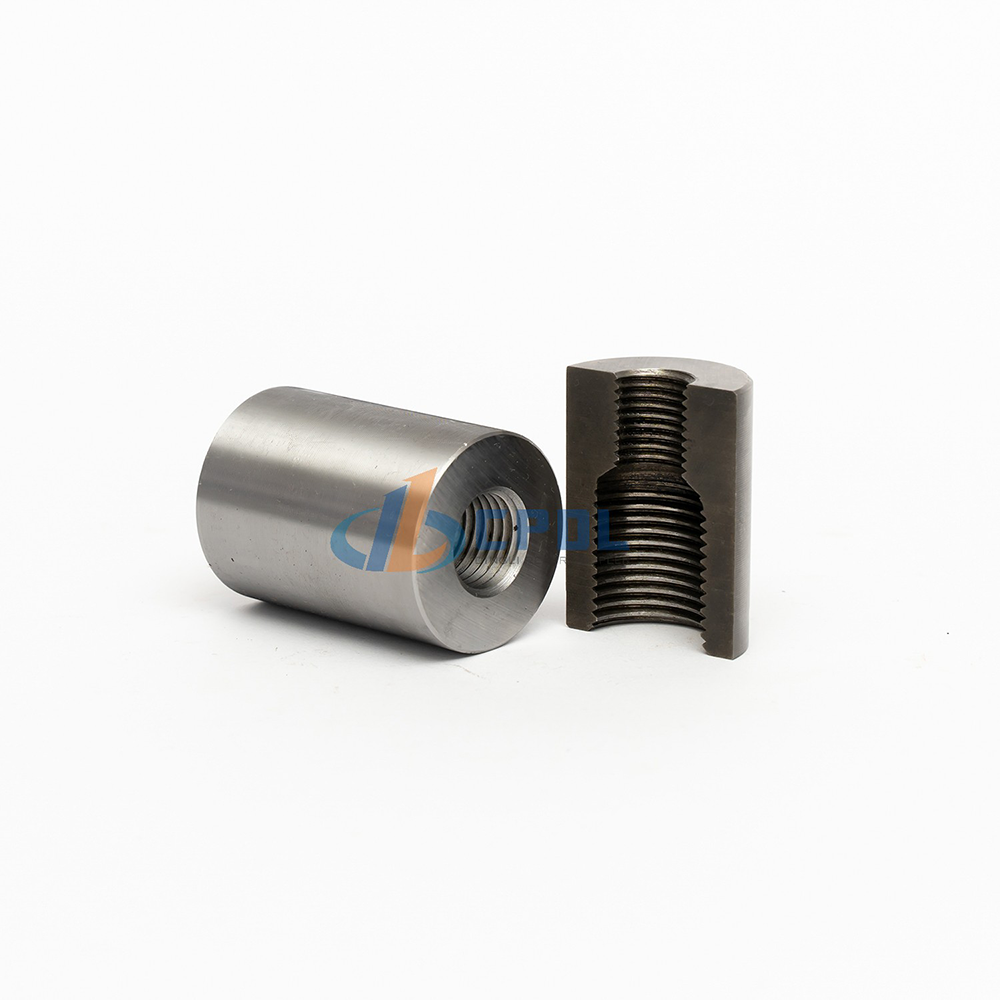
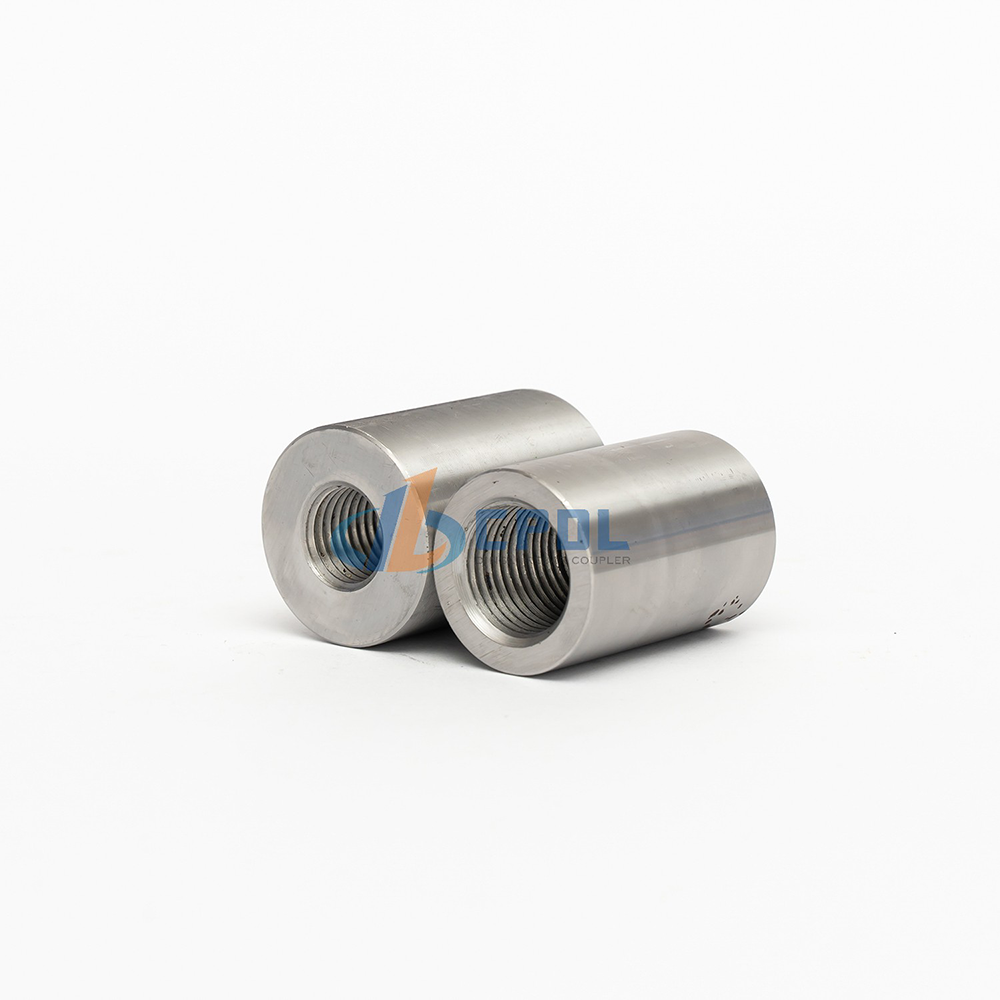
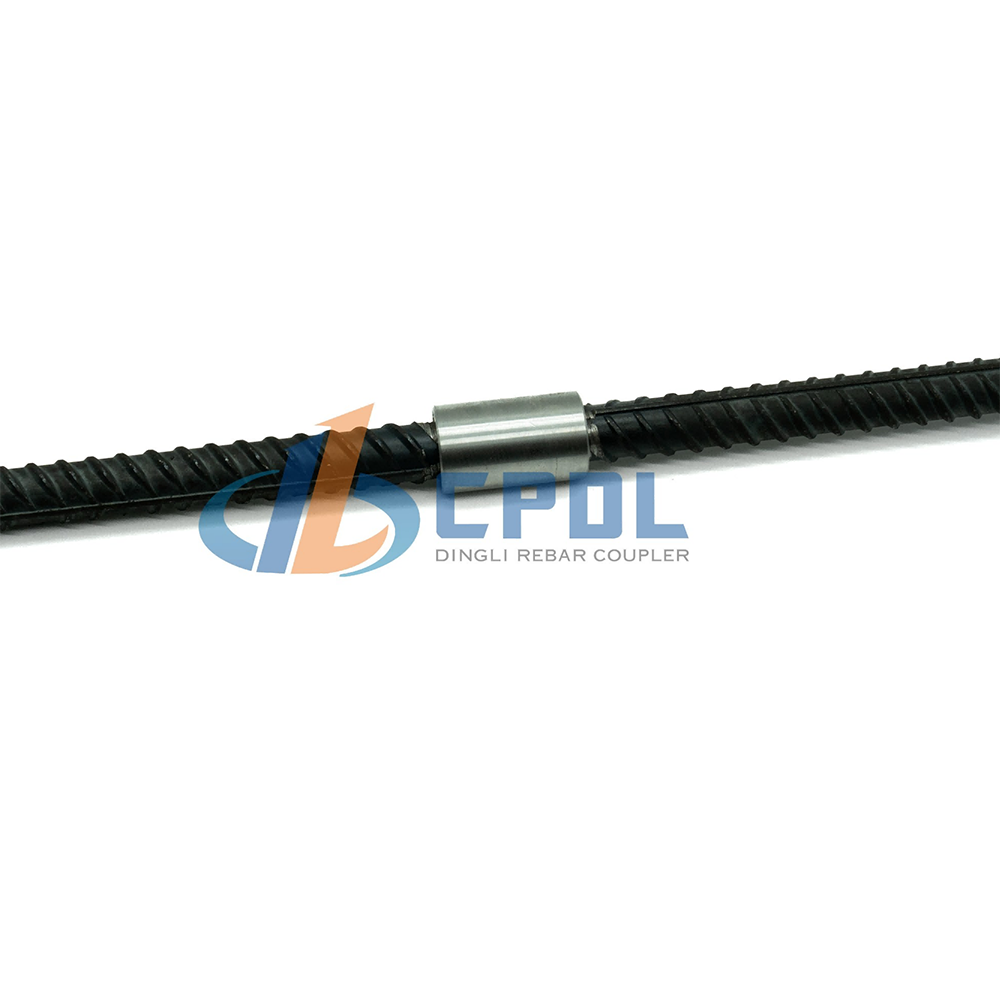
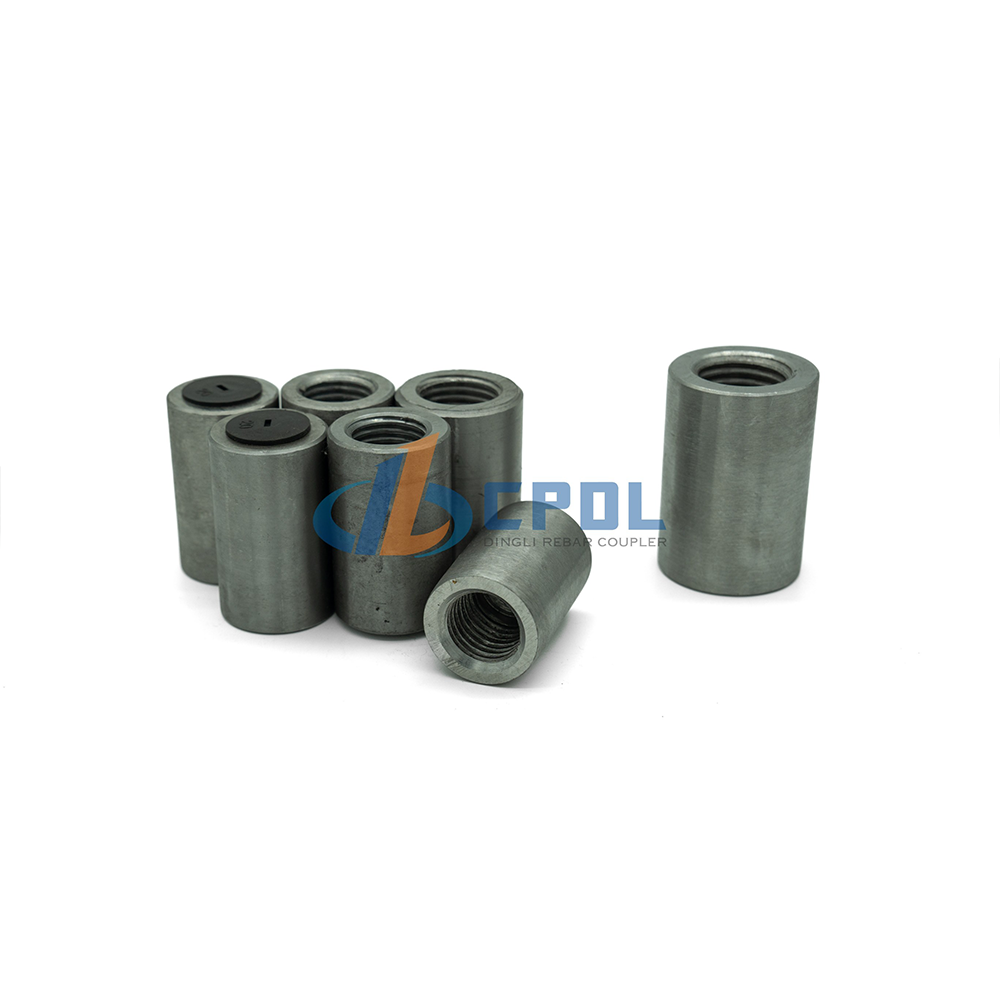
Product DescriptionTransition reducing coupler is a special rebar connector developed for connecting two different specification rebars. Unlike equal-diameter standard couplers, both ends are processed into distinct thread sizes corresponding to two different steel bar diameters. Advanced CNC lathe controls thread pitch and inner diameter tolerance to ensure seamless screwing matching with corresponding rebars. It fills the technical gap when construction design requires diameter change of reinforcing steel inside concrete members.
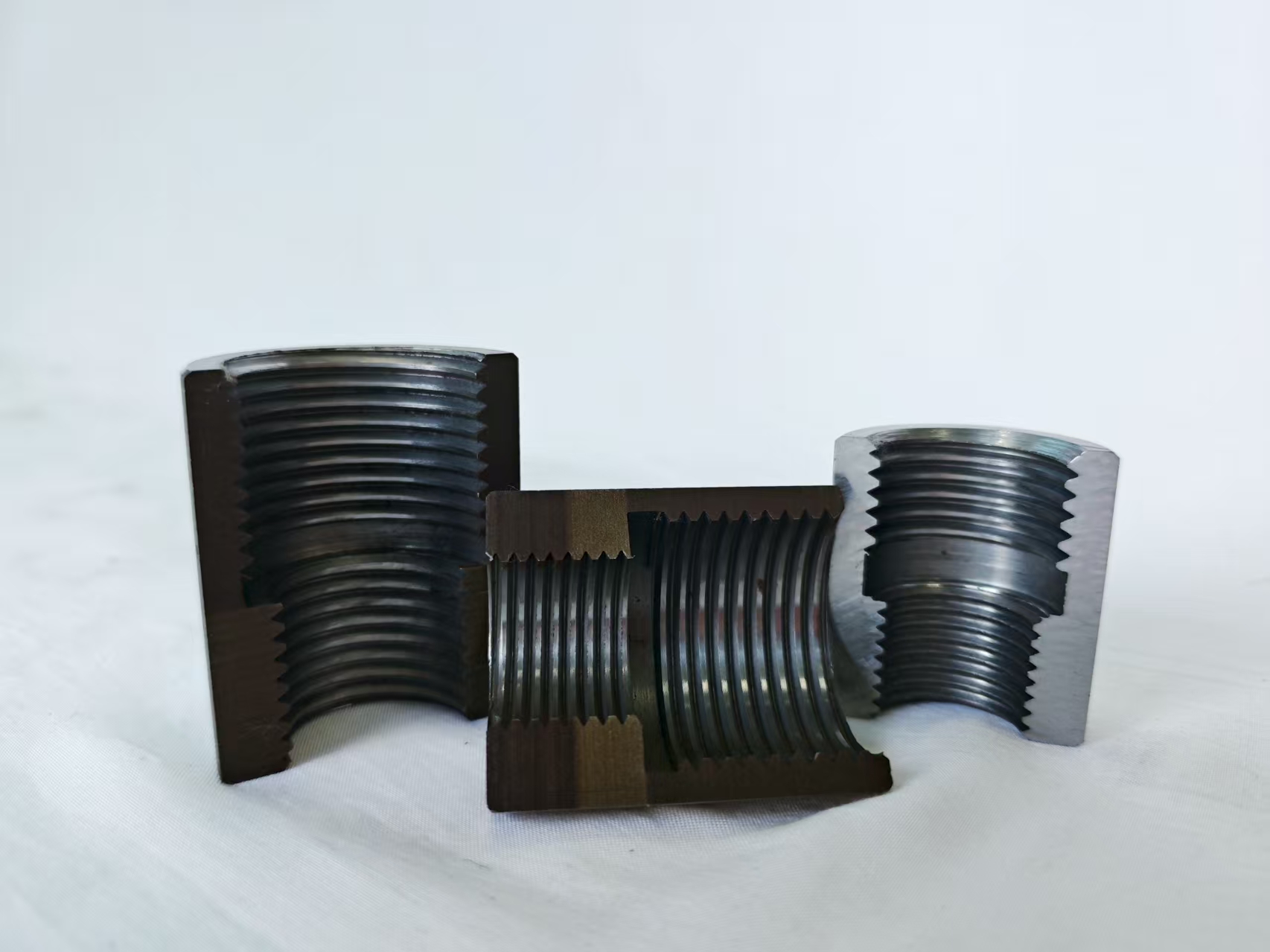
Size: from 12mm to 40mm.
Material: 45C
Standard: BS4449, ISO15835,ACI318
Craft: CNC precision turning + parallel cold rolled thread
Surface: Natural black finish / optional hot-dip galvanized / epoxy coated
Ideally designed to connect two rebars with different dimensions.When storey connected, there may require to connect different sizes of rebars due to the design requirements.For example, the rebar used in basement is 32mm, butfor the storey is 25mm,so how to connect this two different size rebars? CPDL customize and design reducing coupler for clients which can easily solve this problem.
▎Advantages
Firstly, integrated one-piece forming avoids split loose risk compared with assembled spliced transition fittings. Each end adopts standard parallel thread consistent with regular rebar coupler, no extra on-site reprocessing required and shortens construction time greatly. Second, flexible custom size combination supports any common diameter conversion such as 16–20mm,20–25mm etc to satisfy diversified design requirements. Third, optional anti-corrosion surface treatments including galvanized and epoxy coating extend service life for damp and coastal construction scenarios.
▎Application & Installation Position
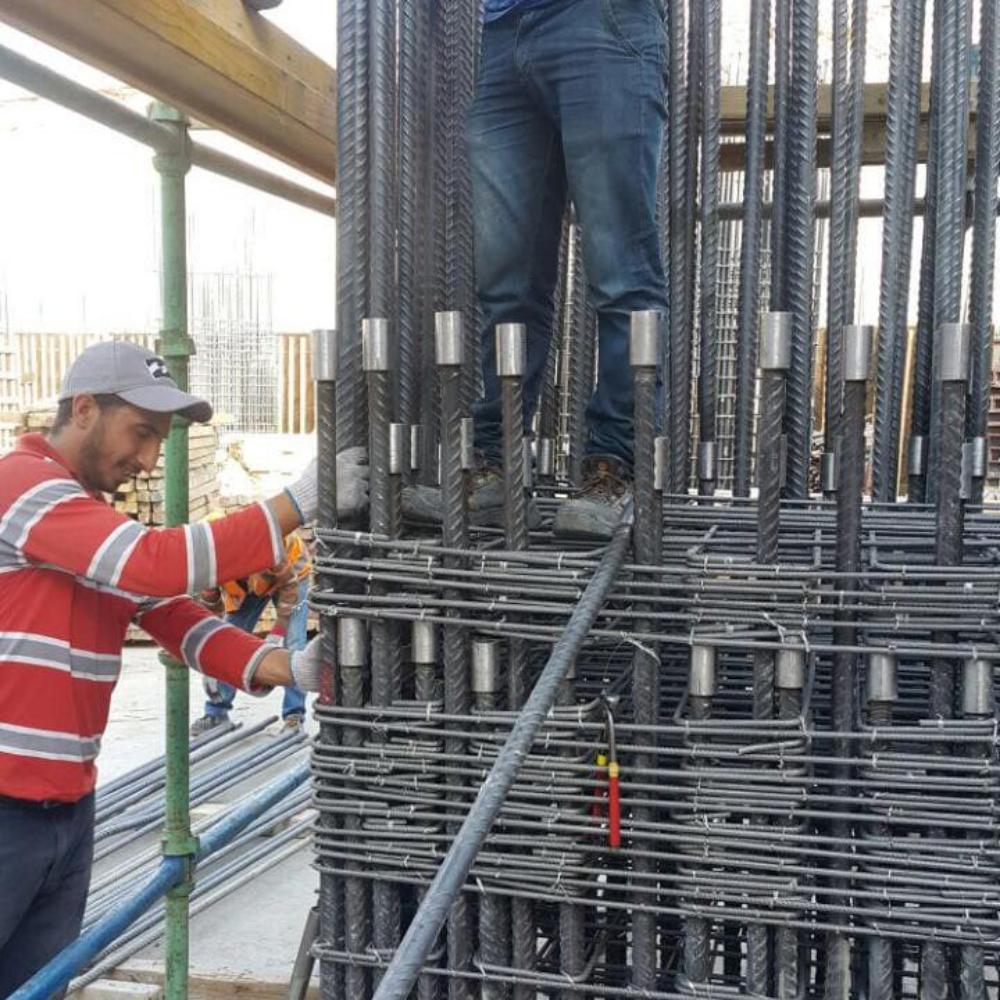
Main bar diameter change in columns (most commonly used and recommended): Frame columns, shear wall columns, stair columns, and construction columns. When the diameter of the steel bars decreases as the floor level increases: diameter-changing coupler are the best solution.
Vertical bar diameter change in shear walls: From large diameter at the bottom to small diameter at the top of shear walls, diameter-changing coupler are faster and more reliable in quality.
Main bar diameter change in beams: Frame beams, secondary beams, and foundation beams: when the diameters of the longitudinal bars and support bars are different, diameter-changing couplers are more reliable and faster than welding or lapping.
Diameter-changing parts in foundations and basements: Main bars of pile foundations connecting to columns, and main bars of pile caps and foundation beams: in critical load-bearing parts underground, diameter-changing coupler should be given priority.
▎Packaging & Delivery Arrangement
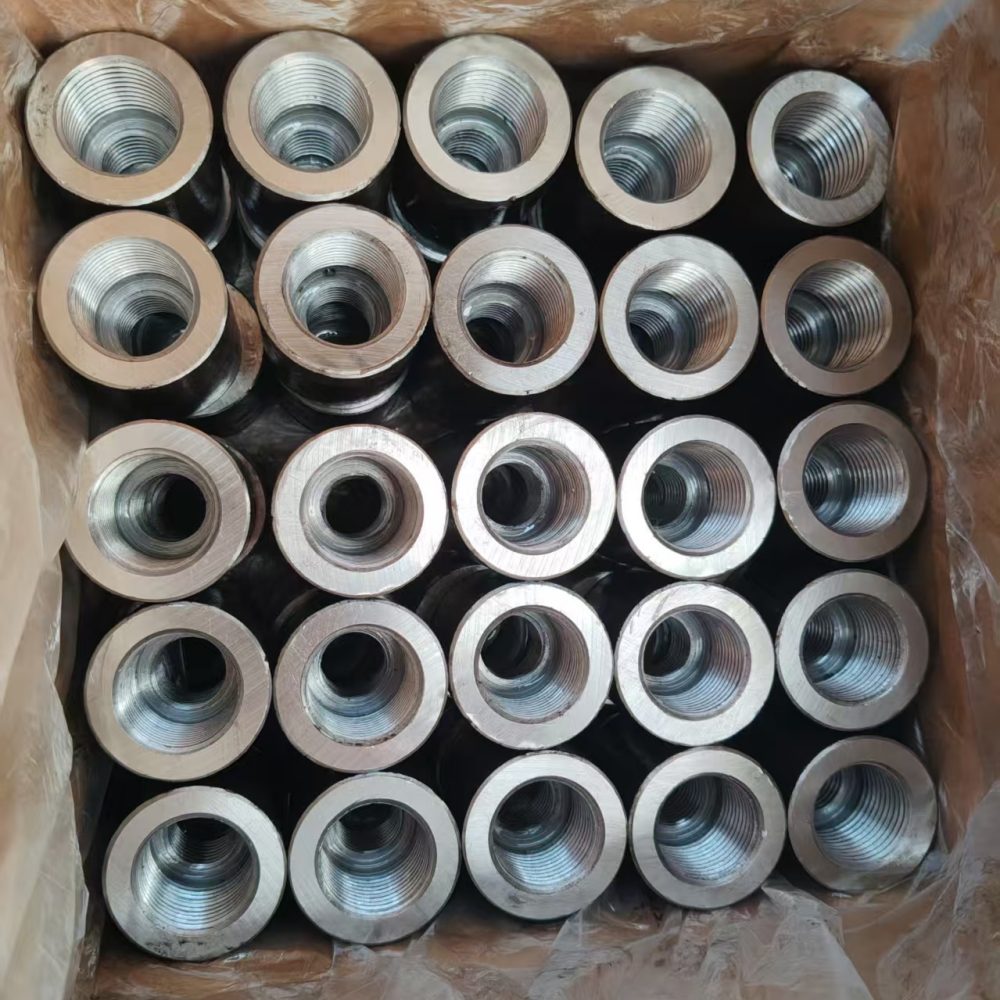
Standard products packed with export cartons, bulk cargo loaded on heat-treated export wooden pallets. Spot specifications deliver within 3–5 working days; special non-standard size customized orders will confirm production lead time with clients in advance.
 Product DescriptionSUBSCRIBE TO OUR NEWSLETTERProfessional manufacturer of high-quality rebar couplers in China. We provide reliable, durableand cost-effective rebar connecting solutions for construction projects worldwide.
- CUSTOM GOODS
- ABOUT CPDL
- GET IN TOUCH +86-13371462215 Xinfa Ind, Area, Chiping, LiaochengCity , Shandong Province, China
- SOCIAL FOLLOW
 English


