

- Home
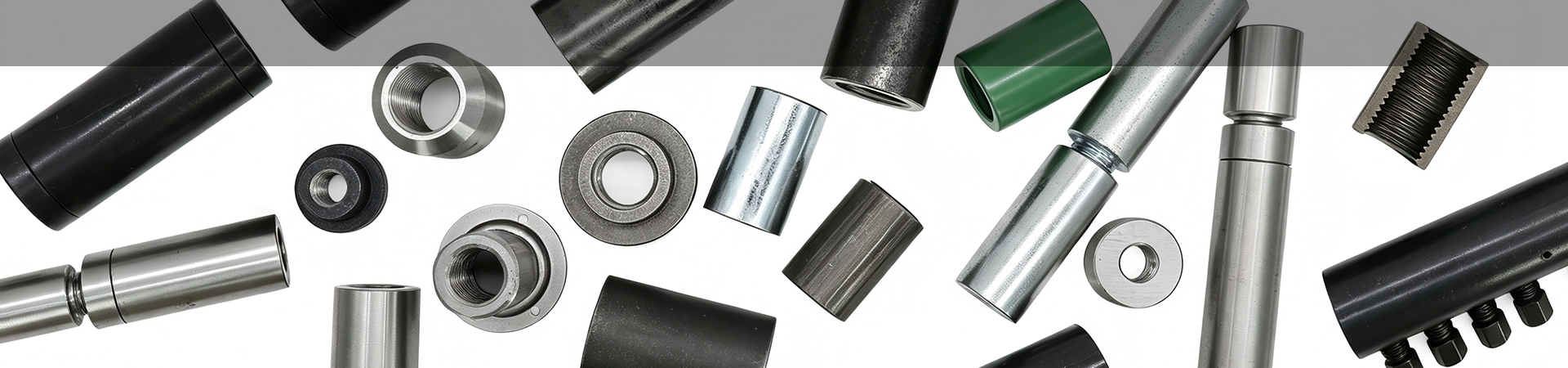
Rebar Coupler
Rebar Coupler Manufacturer for Mechanical Rebar Splicing
Rebar Coupler products from CPDL are mechanical sleeves used to join reinforcing bars in reinforced concrete structures. At Chiping Dingli Steel Sleeve Co., Ltd. (CPDL), we develop, produce, and supply rebar couplers, connection sleeves, and related machinery/tools. Our solutions support projects that require dependable mechanical rebar splice performance.
As a specialized manufacturer and supplier founded in 2013, CPDL serves civil buildings, industrial projects, tunnels, bridges, nuclear power plants, water conservancy projects, subways, and other reinforced concrete applications.
For buyers, contractors, distributors, and project procurement teams, the right sleeve can improve connection consistency and simplify site installation planning. CPDL offers multiple coupler types, customization support, free samples with test data, and technical consultation. We help customers choose suitable products for different connection methods and construction conditions.
Rebar Coupler Products Available
CPDL supplies a broad product range for different mechanical rebar splicing methods. Available products include threaded rebar couplers, parallel thread couplers, MBT rebar couplers, one touch couplers, hexagonal rebar couplers, taper thread couplers, adjustable rebar couplers, weldable rebar couplers, cold extrusion press couplers, and rebar anchor plates.
Different designs are available for straight bar connections, adjustable positioning, fast installation, threaded splicing, welding-related requirements, cold extrusion systems, and anchoring applications. To recommend the right rebar connection sleeve, we encourage buyers to provide the diameter, grade, project standard, drawing, thread type, quantity, and connection requirement before quotation.
Threaded Rebar Coupler and Parallel Thread Coupler
Threaded rebar couplers and parallel thread couplers are common mechanical splicing solutions for reinforcing bars with processed threads. They are widely selected for reinforced concrete construction where efficient installation, repeatable preparation, and project-scale supply are important.
For standard threaded connection systems, CPDL can supply threaded rebar coupler products and related processing support according to project requirements. Parallel thread systems are also available. Our team can help match the sleeve type with rebar processing tools and site installation needs.
Taper Thread Coupler
Taper thread couplers are used where tapered thread engagement is required by the project design or construction method. Thread geometry and processing tools affect matching, so buyers should confirm the product type, processing method, applicable standard, and specification before ordering.
CPDL can review drawings or technical requirements and recommend whether a taper thread sleeve is suitable for the intended reinforced concrete connection. This helps reduce mismatch risk between coupler design, bar preparation, and installation conditions.
MBT Rebar Coupler and One Touch Coupler
MBT rebar couplers and one touch couplers are designed for simplified installation or special site adaptability. These types may be considered when standard threading is not preferred. They may also suit limited bar preparation conditions or projects needing a convenient mechanical splice method.
CPDL supplies MBT rebar coupler solutions for relevant site conditions. We also provide One Touch Coupler products for buyers seeking a simplified connection approach. Before selection, customers should confirm the diameter, connection direction, installation access, and inspection requirements.
Adjustable, Weldable and Cold Extrusion Rebar Couplers
Adjustable, weldable, and cold extrusion rebar couplers support special connection requirements in complex reinforced concrete structures. Adjustable couplers help when positional flexibility is needed. Weldable couplers are considered for welding-related conditions, while cold extrusion press couplers are used with matching cold extrusion systems.
These products are often closely tied to site conditions, drawings, and installation equipment. CPDL recommends confirming all technical details before production or bulk supply. Sharing drawings, connection sketches, bar arrangement details, and inspection requirements helps us provide more accurate product matching.
Hexagonal Rebar Coupler and Rebar Anchor Plate
Hexagonal rebar couplers and rebar anchor plates are supporting products for specific connection and anchoring requirements. They can be selected when a project needs a particular sleeve shape, installation convenience, or anchoring function beyond a standard straight splice.
For large-volume threaded splicing, buyers may also compare CPDL’s parallel thread coupler range with other types. This helps identify a suitable rebar connection sleeve for the project.
Advantages of CPDL Rebar Couplers
CPDL specializes in rebar coupler and steel sleeve manufacturing rather than operating as a general product trader. We focus on mechanical connection products for reinforcing steel. We also provide connecting sleeves and related machinery/tools, giving buyers a more complete source for mechanical connection systems.
Founded in 2013, CPDL operates a 10,000 square meter facility. The company states an annual output of more than 1 million sleeves of all types. This production background supports consistent supply for contractors, distributors, importers, and project buyers. It also helps customers who need stable availability, product matching support, and responsive service for construction schedules.
Specialized Rebar Coupler Production
CPDL’s core business is the development, production, and sales of mechanical connection products for reinforcing steel. Our focus includes rebar couplers and related connecting machinery/tools. This category-specific experience helps us understand common project concerns, including thread matching, type selection, inspection documentation, sample evaluation, and bulk order coordination.
For reinforced concrete projects, specialization matters. Rebar connection sleeves must be selected according to bar size, connection design, construction method, and applicable project standard. CPDL supports these needs with standard threaded couplers and special types for different site conditions.
Complete Coupler and Tool Support
In addition to sleeves, CPDL can supply related rebar machinery and tools, connecting machinery, and thread rolling machine accessories. This is useful for customers who need support for setting up, maintaining, or upgrading a mechanical rebar connection process.
Contractors and distributors often benefit from sourcing couplers and compatible tools from a focused supplier. This can simplify communication and reduce product matching issues. CPDL provides sleeves, accessories, sample support, and consultation to create a more coordinated purchasing path.
Flexible Customization for Rebar Coupler Project Needs
CPDL offers customization services for project-specific rebar coupler requirements where technically feasible. Customization may involve product dimensions, connection needs, drawings, samples, or other technical requirements. Each request should be reviewed before production.
To improve evaluation accuracy, buyers are encouraged to send drawings, applicable standards, bar details, sample requirements, and expected quantities. CPDL can then review whether a suitable sleeve can be produced and provide quotation support based on confirmed information.
Quality Control and Rebar Coupler Compliance
Quality control is a key consideration for any rebar coupler used in reinforced concrete construction. CPDL states that it follows an ISO 9001 international quality management system. The site also mentions CE certification.
Mechanical joints have undergone type tests. CPDL states that tensile strength, secant modulus, ultimate stress, and residual deformation meet JGJ107-2016 requirements for Class I and Class II joints.
The company describes a strict QC process. It includes raw material inspection, in-process inspection, 100% final inspection, and batch quality inspection reports. For engineering projects with specific acceptance standards, we recommend confirming documentation, test data, and compliance conditions before ordering.
For projects requiring a specific national, regional, or owner standard, buyers should share the standard name, acceptance requirements, and required reports during inquiry. CPDL can then confirm available test data, sample support, and documentation based on the requested product type and order details.
Rebar Coupler Applications in Construction Projects
Rebar couplers are used in reinforced concrete structures that require reliable steel bar connections and efficient construction planning. CPDL’s mechanical splice products are suitable for civil buildings, industrial projects, bridges, tunnels, subways, nuclear power plants, water conservancy projects, and other infrastructure works.
The correct type may vary by site access, bar position, connection direction, installation speed, inspection requirements, and engineering specifications. CPDL products are sold in the domestic China market and in more than 10 countries and regions. Referenced markets include Saudi Arabia, Russia, Vietnam, India, Dubai, Brazil, and South Korea.
Rebar Coupler Use in Buildings, Towers and Industrial Structures
In building and industrial construction, rebar couplers are commonly used in reinforced concrete elements such as columns, beams, foundations, shear walls, and other load-bearing structures. They are suitable where mechanical connection is specified by the project design.
For high-volume construction, threaded and parallel thread types are often considered because they support organized bar preparation and efficient installation. Special couplers may be selected when structure layout, bar positioning, or site access requires a different connection approach.
Rebar Coupler Applications for Bridges, Tunnels, Subways and Infrastructure
Large infrastructure projects often require careful planning of reinforcing bar connections. Construction areas can be congested, sequences may be complex, and installation consistency is important. Rebar couplers can be used in bridge, tunnel, subway, and civil infrastructure works when the selected type matches the engineering standard and site method.
For these demanding environments, buyers should confirm bar size, grade, splice location, preparation method, inspection requirements, and installation equipment before procurement. CPDL can support product selection and provide coupler samples or test data for evaluation where required.
Rebar Coupler Support for Water Conservancy and Special Engineering Projects
Water conservancy projects and nuclear power plant applications are among CPDL’s stated target sectors for reinforced concrete connection solutions. These projects often involve strict technical review, documentation needs, and project-specific approval processes.
Before ordering for special engineering applications, customers should confirm the applicable standards, required inspection documents, mechanical joint performance requirements, and site installation conditions. CPDL can review submitted requirements and recommend suitable products or related connecting machinery/tools.
How to Choose the Right Rebar Coupler
Choosing the right rebar coupler depends on bar size, grade, connection type, thread type, installation condition, applicable standard, and project requirements. Standard threaded or parallel thread couplers are common for many straight bar connections. Adjustable, weldable, MBT, one touch, taper thread, or cold extrusion couplers may suit special site conditions or connection systems.
To reduce inquiry time and improve recommendation accuracy, buyers should share technical information as early as possible. CPDL can evaluate the project requirements, match the coupler type, confirm whether related machinery/tools are needed, and provide a quotation. Pricing depends on the requested quantity and delivery destination.
Key Information to Provide Before Ordering Rebar Couplers
Complete project information helps CPDL recommend the correct rebar coupler and quote accurately. Buyers should provide the diameter, grade, required type, thread type, quantity, project standard, drawings, packaging needs, destination country, and any required certification or test data.
Rebar diameter and grade
Required rebar coupler type or connection method
Thread type and bar processing requirements
Project drawings or splice details
Applicable standard and inspection documentation needs
Estimated quantity and delivery schedule
Destination country and preferred shipping method
If the coupler type has not yet been confirmed, CPDL can review the available information and recommend a suitable mechanical splice solution. This is especially useful for importers, distributors, and contractors handling multiple project specifications.
Matching Rebar Couplers with Machinery and Tools
Rebar couplers often need to match proper bar preparation machinery, thread rolling machine accessories, or connecting tools. CPDL provides both connecting sleeves and related machinery/tools. This makes it easier for buyers to build or improve a complete mechanical connection process.
This support is valuable for customers setting up a new production or site preparation workflow. It also helps buyers upgrading existing thread rolling processes or sourcing replacement accessories. By reviewing sleeve requirements with machinery needs, CPDL can help customers avoid mismatched products, tools, and processing methods.
Custom Rebar Coupler Service and Sample Support
CPDL provides custom rebar coupler service for customers with specific project requirements where production and technical conditions allow. Buyers may submit drawings, standards, samples, dimensions, connection requirements, or special construction conditions for evaluation before production.
The company also supports free sample delivery for sleeves and machine accessories. Sample test data is available for customer evaluation. This helps buyers review product suitability before bulk purchasing, especially when a project requires internal approval, engineering review, or distributor quality verification.
In addition to customization and sample support, CPDL offers technology upgrade consultation for customers improving their reinforcing steel connection process. This service can help buyers upgrade tools, optimize sleeve selection, or coordinate coupler products with connecting machinery.
Bulk Rebar Coupler Supply, Lead Time and Shipping
CPDL supports bulk rebar coupler supply for contractors, distributors, importers, and project procurement teams. For standard products, the stated lead time is generally 7–15 working days. Timing depends on order details, product confirmation, quantity, and whether customization is required.
Shipping options include sea freight, air freight, and courier delivery. Buyers can select a logistics method based on project urgency, order volume, and destination. For bulk orders, CPDL can provide batch quality inspection reports and after-sales support as part of our service process.
For time-sensitive construction schedules, buyers should confirm product type, quantity, and documentation requirements as early as possible. Early confirmation helps CPDL coordinate production, inspection, packaging, and shipping more efficiently.
Request a Rebar Coupler Quote from CPDL
If you need a reliable Rebar Coupler manufacturer and supplier for reinforced concrete construction, CPDL can help recommend suitable products and related machinery/tools. Send your bar diameter, grade, coupler type, quantity, project standard, destination country, and drawings or specifications for quotation support.
CPDL supports quote requests, free sample evaluation, customization inquiries, test data support, and technology consultation. Our team helps customers improve their mechanical rebar splice process. Whether you purchase for a building, bridge, tunnel, subway, industrial structure, water conservancy project, or distribution business, we can provide professional product matching and supply support.
Send Your Rebar Coupler Requirements: include bar size, grade, connection type, quantity, standard, delivery destination, and any required inspection documentation. CPDL will review your request and respond with suitable product recommendations and quotation support.
Rebar Coupler FAQ
What is a rebar coupler used for?
A rebar coupler mechanically connects two reinforcing bars in reinforced concrete structures. It is commonly used in buildings, bridges, tunnels, subways, industrial projects, water conservancy projects, and other applications where mechanical splicing is specified.
Which rebar coupler type should I choose?
The right type depends on diameter, grade, thread type, installation condition, connection direction, and project standard. Our CPDL team can recommend a suitable option after reviewing your drawings, technical requirements, quantity, and documentation needs.
Can CPDL provide custom rebar couplers?
Yes. CPDL offers customization support for project-specific requirements where technically feasible. Customers can submit specifications, samples, drawings, dimensions, or special connection requirements for evaluation before production.
Are sample rebar couplers available before bulk orders?
Yes. CPDL supports free sample delivery for sleeves and machine accessories. Sample test data is available for customer evaluation, helping buyers review suitability before placing a bulk order.
What is the lead time for rebar coupler orders?
For standard products, the stated lead time is generally 7–15 working days. Actual delivery time depends on quantity, customization needs, product confirmation, inspection requirements, and shipping method.
SUBSCRIBE TO OUR NEWSLETTERProfessional manufacturer of high-quality rebar couplers in China. We provide reliable, durableand cost-effective rebar connecting solutions for construction projects worldwide.- CUSTOM GOODS
- ABOUT CPDL
- GET IN TOUCH +86-13371462215 Xinfa Ind, Area, Chiping, LiaochengCity , Shandong Province, China
- SOCIAL FOLLOW
English