

- Home

Mechanical Splicing vs Traditional Lapping: What Is Rebar Coupler Splicing?
Views: 0 Author: Site Editor Publish Time: 2026-06-29 Origin: Site


In modern reinforced concrete construction, rebar splicing is one of the most critical yet frequently overlooked details that determine overall structural strength, durability, and construction efficiency. For decades, traditional lapping splicing has been the default method for joining reinforcing steel bars on job sites worldwide. However, as building designs grow taller, spans widen, and seismic safety standards become stricter,mechanical rebar splicing (coupler splicing) has emerged as a superior alternative to solve the limitations of conventional lapping.
If you’re a construction engineer, project manager, or contractor wondering whether to switch from lapping to coupler splicing, this guide will break down what rebar coupler splicing is, how it differs from traditional lapping, and which method fits your project best.
1. What Is Traditional Rebar Lapping Splicing?
Traditional lapping splicing is the classic, age-old technique for connecting two rebar segments. The process is simple: workers overlap two reinforcing bars side by side for a fixed length, then tie them together with steel wires before pouring concrete. The structural load is transferred entirely through the bond friction between rebar and surrounding concrete.
Core Characteristics of Lap Splicing
Working principle: Relies on concrete-rebar adhesion to transmit tensile and compressive forces
Operation: No special tools or accessories required, purely manual tying work
Cost entry: Zero additional material cost, low on-site technical threshold
Key Limitations of Traditional Lapping
While lapping is convenient for small-scale, low-stress projects, it has inherent flaws that compromise structural performance and construction quality:
Severe steel waste: Standard lap lengths can reach 40–60 times the rebar diameter. For a 20mm rebar, the overlapping segment alone exceeds 800mm, causing massive steel consumption and cost waste across large projects.
Rebar congestion: Overlapping bars crowd beam-column joints, foundation slabs, and dense reinforcement zones. This blocks concrete flow, leads to incomplete compaction, and causes honeycombing or voids in concrete, weakening structural integrity.
Unstable load transfer: Splicing performance depends entirely on concrete bonding quality. Poor concrete pouring, insufficient cover depth, or inconsistent concrete strength will directly reduce lap splice reliability.
Code restrictions: Most international standards (ACI, ISO, IS 456) prohibit lapping for large-diameter rebars (over 32mm) and high-stress seismic zones due to safety risks.
Prolonged construction time: Long overlapping segments require precise manual alignment and tying, slowing down on-site progress.
2. What Is Rebar Coupler Splicing (Mechanical Splicing)?
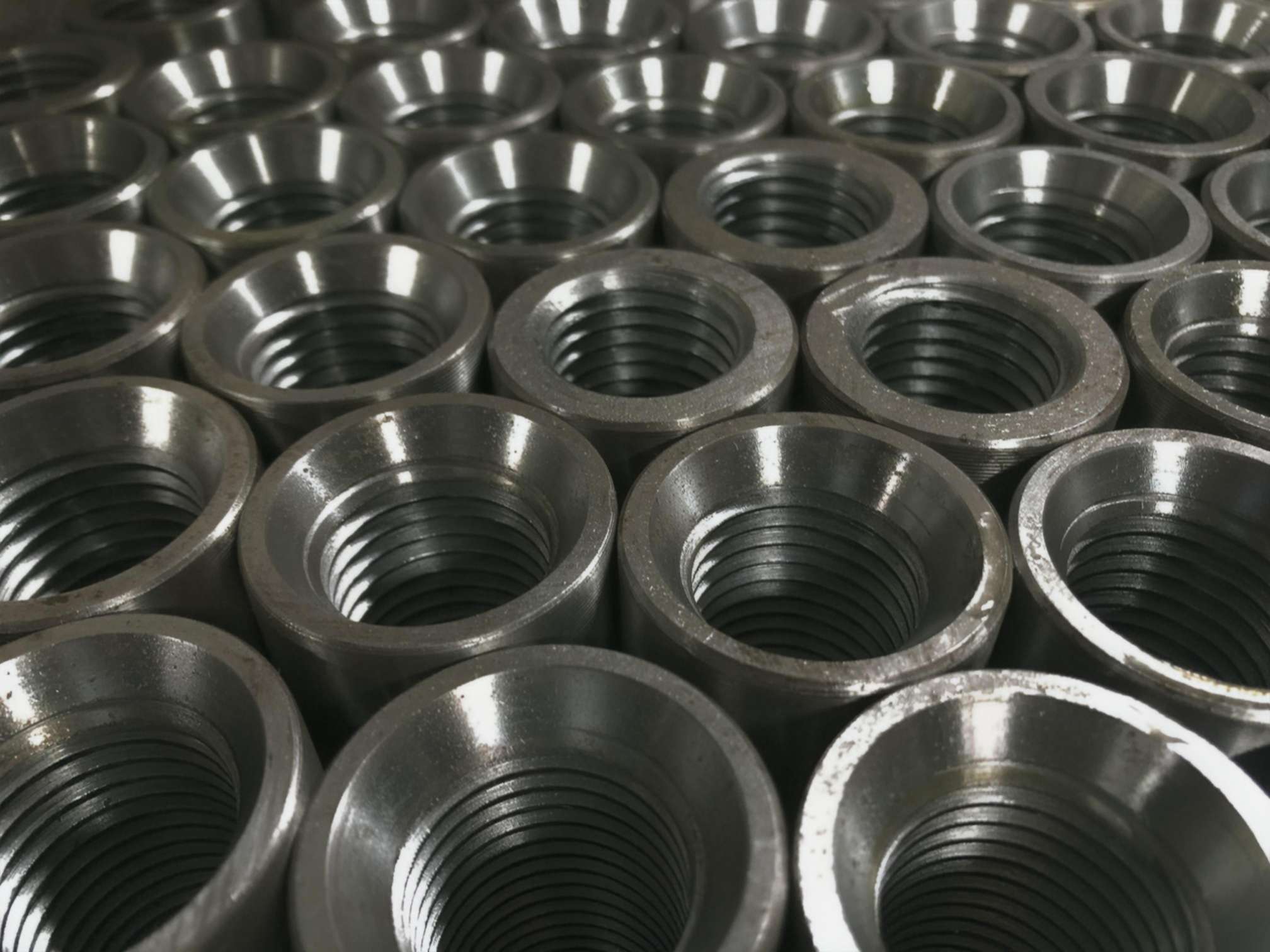
Rebar coupler splicing, also known as mechanical rebar splicing, is a modern, high-precision connection technology that joins two rebar ends end-to-end via dedicated steel couplers. Instead of relying on concrete friction, this method creates a direct metal-to-metal mechanical connection to transfer structural loads continuously and stably.
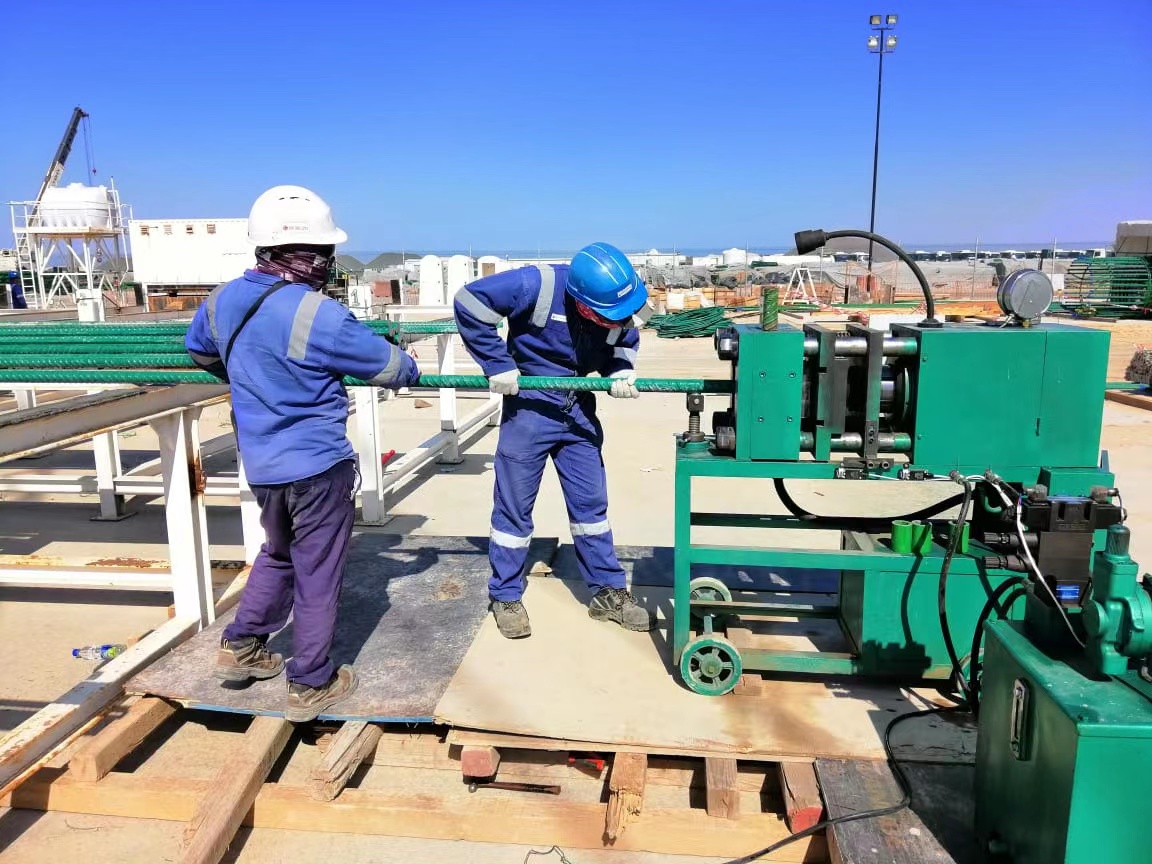
The system typically includes threaded or compression-type steel couplers and professional installation tools. After cutting and threading rebar ends, workers screw or press the coupler onto the two rebar segments to form a rigid, integrated connection equivalent to a continuous whole rebar.
Core Advantages of Mechanical Coupler Splicing
Superior structural performance: Mechanical splices achieve full rebar strength, often exceeding the yield strength of the original rebar. They maintain stable load transfer under tension, compression, and cyclic seismic loads, with far better fatigue resistance than lap splicing.
Zero steel waste: Eliminates long overlapping segments completely, saving 5–10% of total rebar usage on average, significantly cutting material costs for large construction projects.
Solves reinforcement congestion: End-to-end connection reduces rebar density in key structural zones, ensuring smooth concrete pouring and full compaction, effectively avoiding concrete defects.
Consistent and reliable quality: Factory-produced couplers follow unified standards, with on-site installation free from human error and concrete quality interference. Splice performance is predictable and compliant with international codes (ASTM A970, ISO 15835).
Wide adaptability: Suitable for all rebar diameters, especially large-diameter rebars (32mm+), and mandatory for high-rise buildings, bridges, subway projects, and seismic-resistant structures.
Faster construction: Standardized installation processes reduce on-site working time, improving overall project progress.
3. Direct Comparison: Mechanical Splicing vs Traditional Lapping
To help you quickly evaluate the two splicing methods, we summarized their core differences in key construction dimensions:
Comparison Dimension
Traditional Lapping Splicing
Mechanical Coupler Splicing
Load Transfer Principle
Concrete-rebar friction bonding
Direct metal-to-metal mechanical connection
Structural Strength
Unstable, affected by concrete quality
Stable, exceeds rebar yield strength
Steel Consumption
High, massive waste from overlapping
Low, zero overlapping waste
Reinforcement Congestion
Severe, easy to cause concrete defects
Minimal, ensures concrete compaction
Seismic & Fatigue Performance
Poor, not suitable for high-stress zones
Excellent, ideal for seismic structures
Material Cost
Low initial cost, high long-term waste cost
Slight coupler cost, overall cost-saving for large projects
Construction Efficiency
Slow, labor-intensive manual work
Fast, standardized installation
Code Adaptability
Restricted for large rebars & key zones
Compliant with all international construction codes
4. When to Choose Which Splicing Method?
Choose Traditional Lapping If:
Small-scale residential buildings, low-rise structures, and non-civil critical projects
Small-diameter rebars (below 25mm) and low-stress structural zones
Projects with tight short-term budgets and no strict structural performance requirements
Choose Rebar Coupler Mechanical Splicing If:
High-rise buildings, long-span bridges, subways, tunnels, and industrial buildings
Large-diameter rebars (32mm and above) and dense reinforcement zones
Seismic zones, high-stress structural joints, and projects with strict durability requirements
Large-scale projects pursuing cost control, high efficiency, and standardized construction
5. Final Verdict: Is Mechanical Splicing Worth the Upgrade?
Traditional lapping splicing remains a viable, economical choice for simple, small-scale construction projects thanks to its low technical threshold and zero accessory cost. However, it can no longer meet the high standards of modern engineering for structural safety, cost control, and construction quality.
Rebar coupler mechanical splicing is the inevitable trend of modern reinforced concrete construction. It solves all core pain points of lapping splicing: eliminating steel waste, avoiding concrete quality defects, stabilizing structural performance, and compressing construction cycles. Although it requires a small initial investment in couplers and professional tools, its long-term cost savings and safety advantages far outweigh the input, making it the preferred splicing method for mainstream engineering projects globally.
FAQs About Rebar Splicing
Q1: Are mechanical rebar couplers code-compliant?
Yes. Qualified rebar couplers fully comply with mainstream international standards including ASTM A970, ISO 15835, and ACI 318, and pass strict tensile, compression, and cyclic loading tests.
Q2: Does mechanical splicing save overall project cost?
Absolutely. While couplers add minor material costs, the saved steel waste and reduced rework from concrete defects greatly lower total project costs, especially for large projects.
Q3: Can coupler splicing be used for seismic structures?
Yes. Mechanical splices have excellent ductility and seismic resistance, maintaining structural integrity during earthquakes, which is why they are mandatory for most seismic-grade key structures.
SUBSCRIBE TO OUR NEWSLETTERProfessional manufacturer of high-quality rebar couplers in China. We provide reliable, durableand cost-effective rebar connecting solutions for construction projects worldwide.- CUSTOM GOODS
- ABOUT CPDL
- GET IN TOUCH +86-13371462215 Xinfa Ind, Area, Chiping, LiaochengCity , Shandong Province, China
- SOCIAL FOLLOW
 English


